Webpages tagged with «European Union»






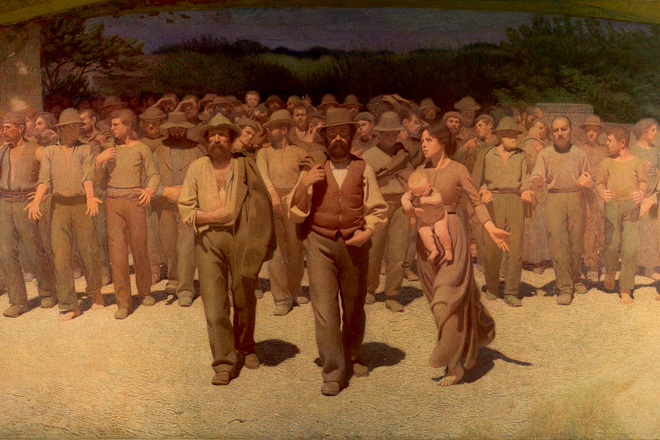
What does it mean to be a European citizen? 25 years after the Treaty of Maastricht, ARENA researchers Espen D. H. Olsen and Agustín José Menéndez argue that provisions intended to create a European community may create more friction than harmony.

What will be the final outcome of the European election and how will this affect Norway? Prominent researchers, journalists and politicians will discuss this during our event at Arendalsuka.
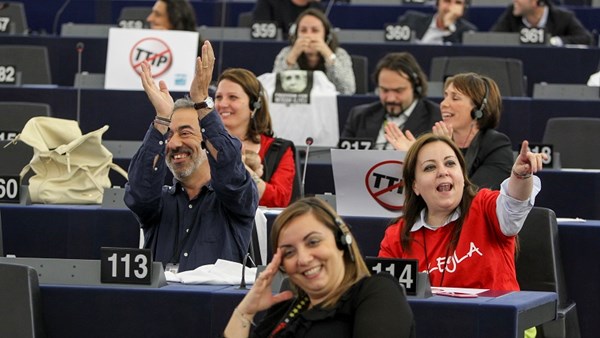
Members of the European Parliament have gained great influence in trade policy, thereby challenging the national monopolies of power. Often, they are perceived as a disturbing element in international negotiations.
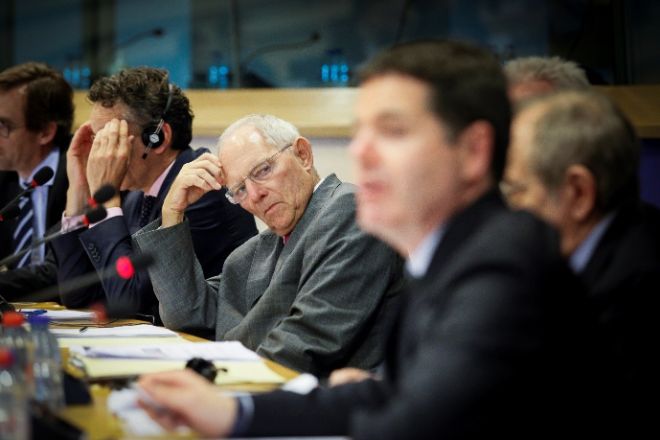
European decision-makers point to flexible relationships with the EU as a way to maintain their countries’ independence and autonomy. New research from ARENA suggests that political differentiation might in fact lead to the opposite, which does not bode well for the UK after Brexit.
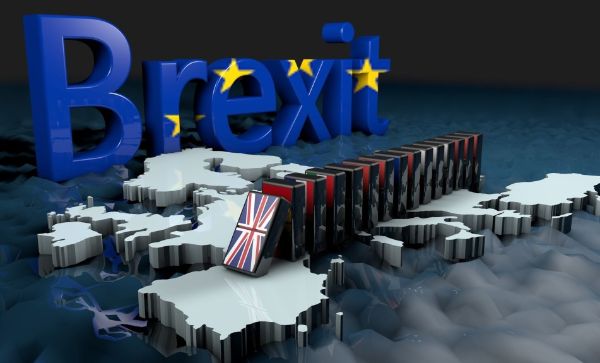
How do we arrange relations between EU members and non-member democracies in ways that secure core standards of democratic legitimacy? Will Brexit aggravate this difficulty?

In this blog post, I draw on Norwegian experiences in arguing that there should be a second referendum on Brexit.

Could the 'Norway model' work for the UK post-Brexit? Do EU agencies threaten the EEA agreement? These were topics of discussion when policy-makers and ARENA researchers met during Arendalsuka 2018.

The former Norwegian minister of EEA and EU Affairs, Marit Berger Røsland, will debate Brexit and 'the Norway model' with leading EU researchers from ARENA.
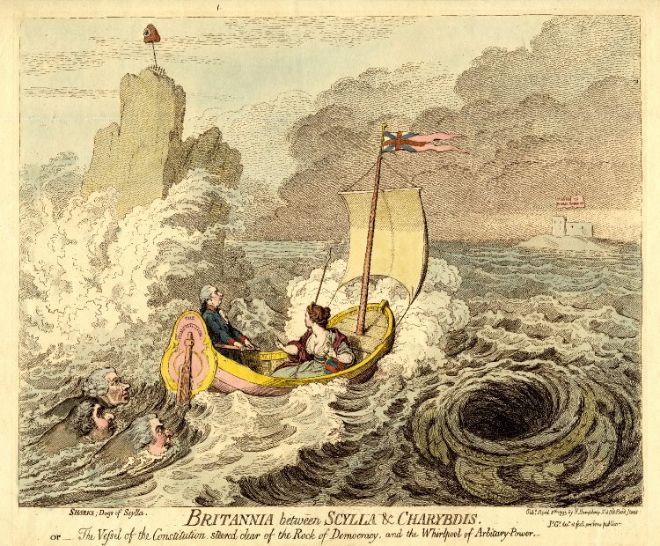
Since 2008, the European Union faces a range of existential threats between populism, technocracy, and mediatisation. How can the EU address the rise of populist parties, the expanding role of the EU’s depoliticized bodies, and the world of social media?
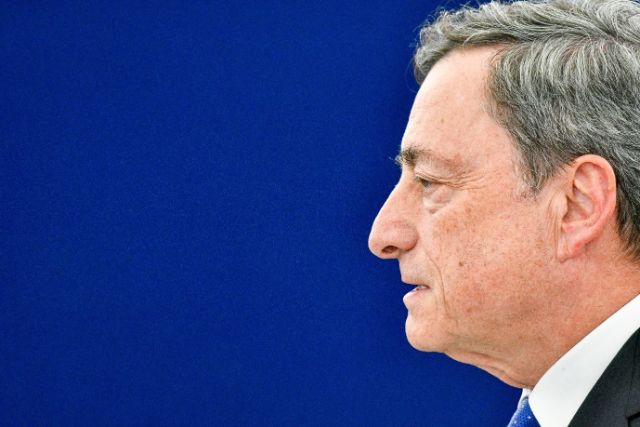
During the euro crisis, the European Central Bank carved out a new and more significant role for itself. While many agree that this saved the euro in the short term, new research by Jørgen Bølstad at ARENA suggests that the ECB’s new role as a lender of last resort may also prevent future crises.

- Initiatives to push the gender equality agenda often meet resistance from member states and powerful interest organisations, says EU researcher Helena Seibicke in this interview on the International Women's Day.
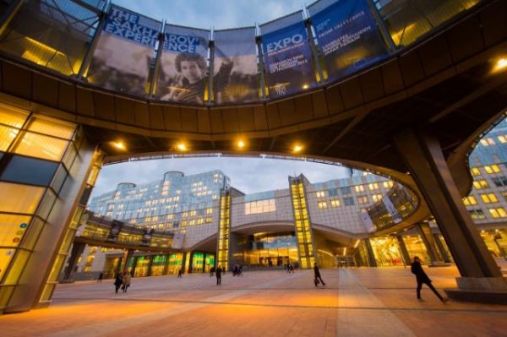
If the EU admits that it is a federation, the Union might be better able to strike the right balance between the supranational and national levels. Professor John Erik Fossum wants to revive the controversial concept.
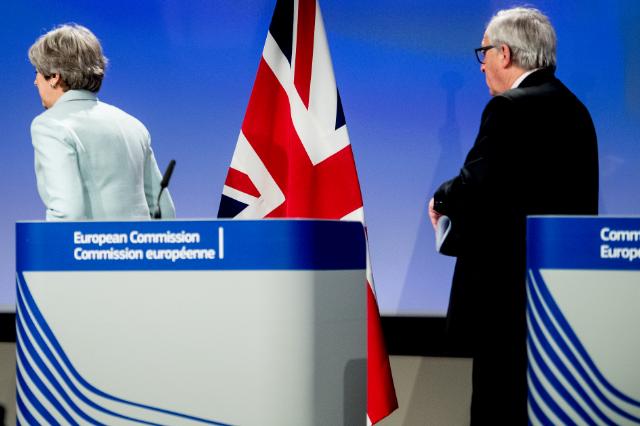
In this guest blog post, professor Christopher Lord of ARENA gives an alternative take on how to understand the struggle behind the Brexit negotiations.

ARENA director Erik Oddvar Eriksen explains on the LSE Brexit blog that for the UK, the "Norway option" would amount to self-inflicted subservience to the EU.


Some claim that the Norwegian ‘No’-campaigners won in 1994, but have lost ever since. Every government since 1994 has brought Norway closer to the EU. Where does this leave democracy?

Professor Emeritus Johan P. Olsen is one of Norway’s most prominent, most renowned and most cited social scientists. In 2011 he was elected as a member of The American National Academy of Sciences because of his important contribution to scientific research.

Can there be democracy beyond the nation state, and in that case: which democracy for Europe?