
Fiscal Sustainability and Employment
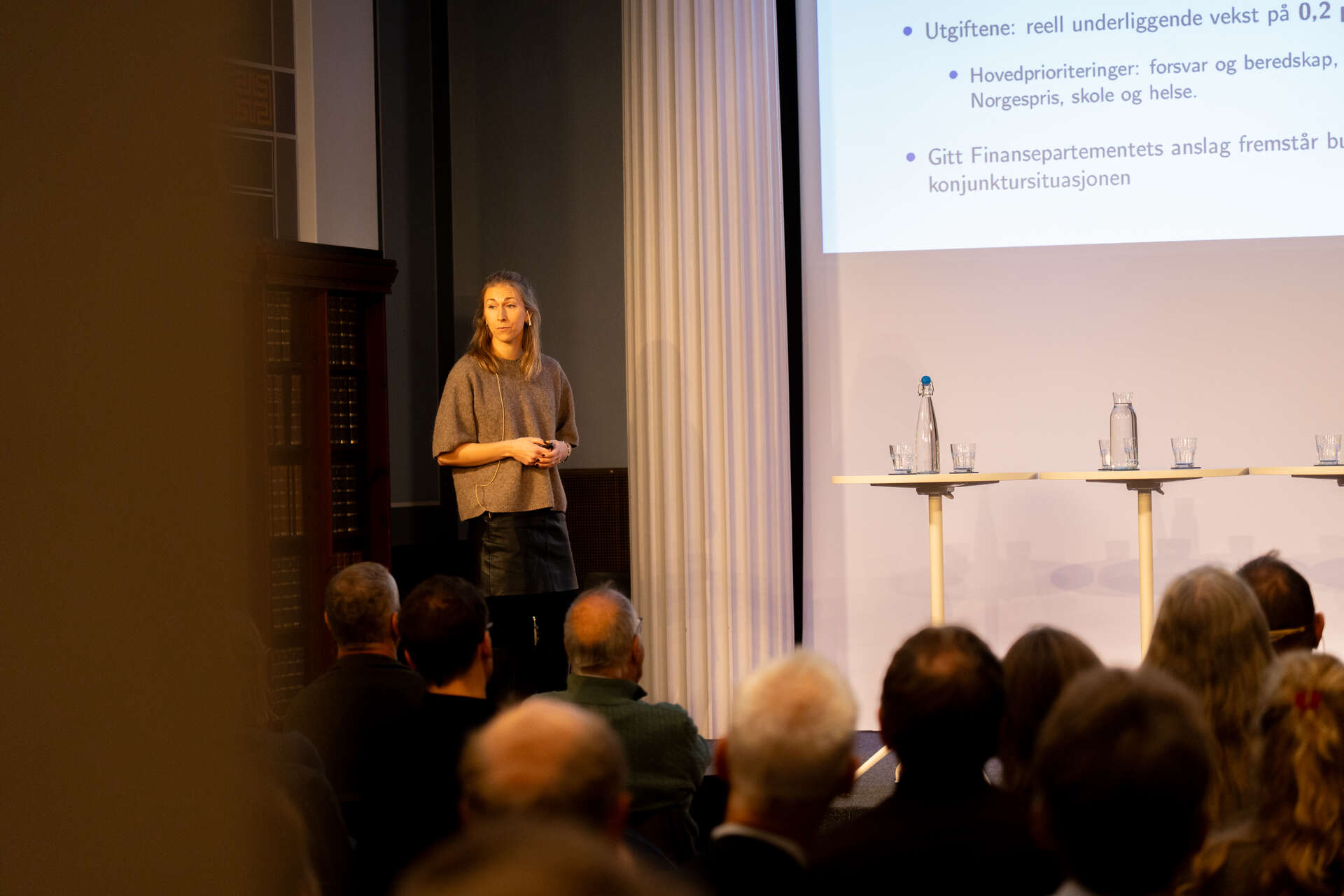
Ragnhild Camilla Schreiner (University of Oslo) reviewed the budget’s main measures and their implications for fiscal sustainability in the long run. Taking the Ministry of Finance’s forecasts as given, she assessed the budget as reasonably well adapted to current economic conditions. Her main concern was whether it sufficiently addressed longer-term challenges arising from an ageing population and declining petroleum revenues.
She highlighted the growing distance between actual employment and the government’s target of an 82% employment rate among people aged 20-64 by 2030. She described the employment measures as steps in the right direction, but modest relative to the challenge ahead. Her calculations also suggested that the income tax reductions would have only a small effect on labour supply, even under assumptions of relatively strong behavioural responses.
Furthermore, she questioned the continued use of electricity subsidies and other price interventions. While intended to support households, these measures weaken price signals and incentives to use resources efficiently, potentially undermining the productivity growth needed to sustain purchasing power over time.
Public Wealth and Long-Term Welfare
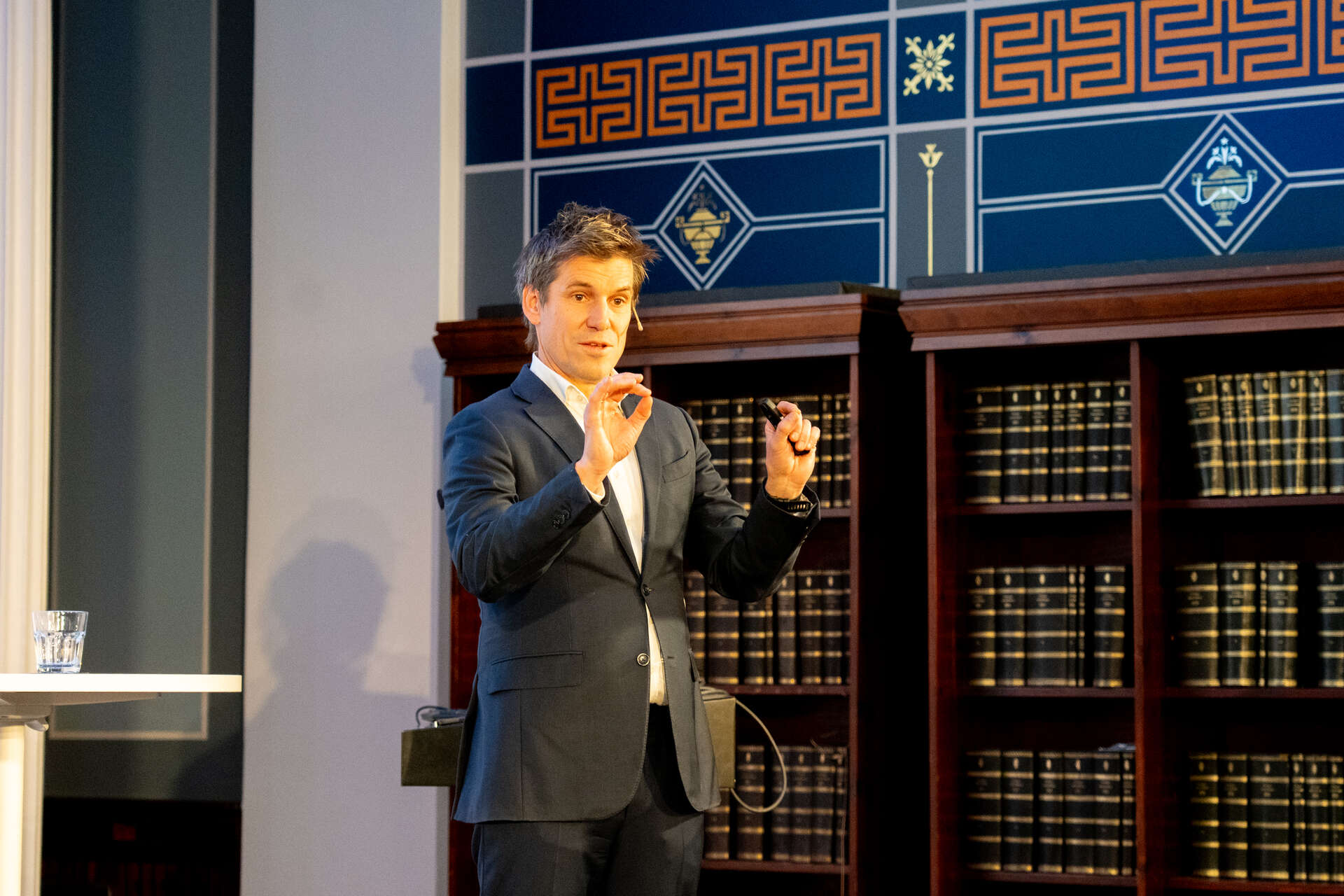
Espen Henriksen (BI Norwegian Business School) argued that the budget should be assessed by its contribution to the present value of welfare for current and future generations. He challenged the emphasis on annual spending flows and short-term effects on economic activity, directing attention instead to incentives, market structures, and long-term value creation.
Henriksen also questioned whether Norway was striking the right balance between saving and spending. His calculations indicated that the state would add around NOK 535 billion to its savings in 2027 through petroleum revenues and the fund’s interest and dividend income, after transfers to the budget. He argued that assessing whether this represented too much or too little saving required a broader view of the state’s wealth and future obligations, including pensions. Throughout, he emphasised predictable policies that allow households and firms to plan.
Political Obstacles to Economic Restructuring
Bård Harstad (Stanford University and the University of Oslo) examined why economic restructuring can remain difficult even when the case for change is strong. A central argument was that policies generate their own political support: assistance to established industries encourages investment in those industries, which in turn strengthens the voters for continued assistance. This can leave the economy in a ''political-economic trap''.
Harstad emphasised the need for credible policy changes that encourage investment in new industries. Possible approaches included greater transparency around lobbying, commitments to future policy, and a published path for future budget priorities. He also illustrated how temporary taxes or support could change investment incentives and help make a transition lasting. At the same time, he cautioned against the government attempting to pick winners.

Defence Spending and Operational Capability
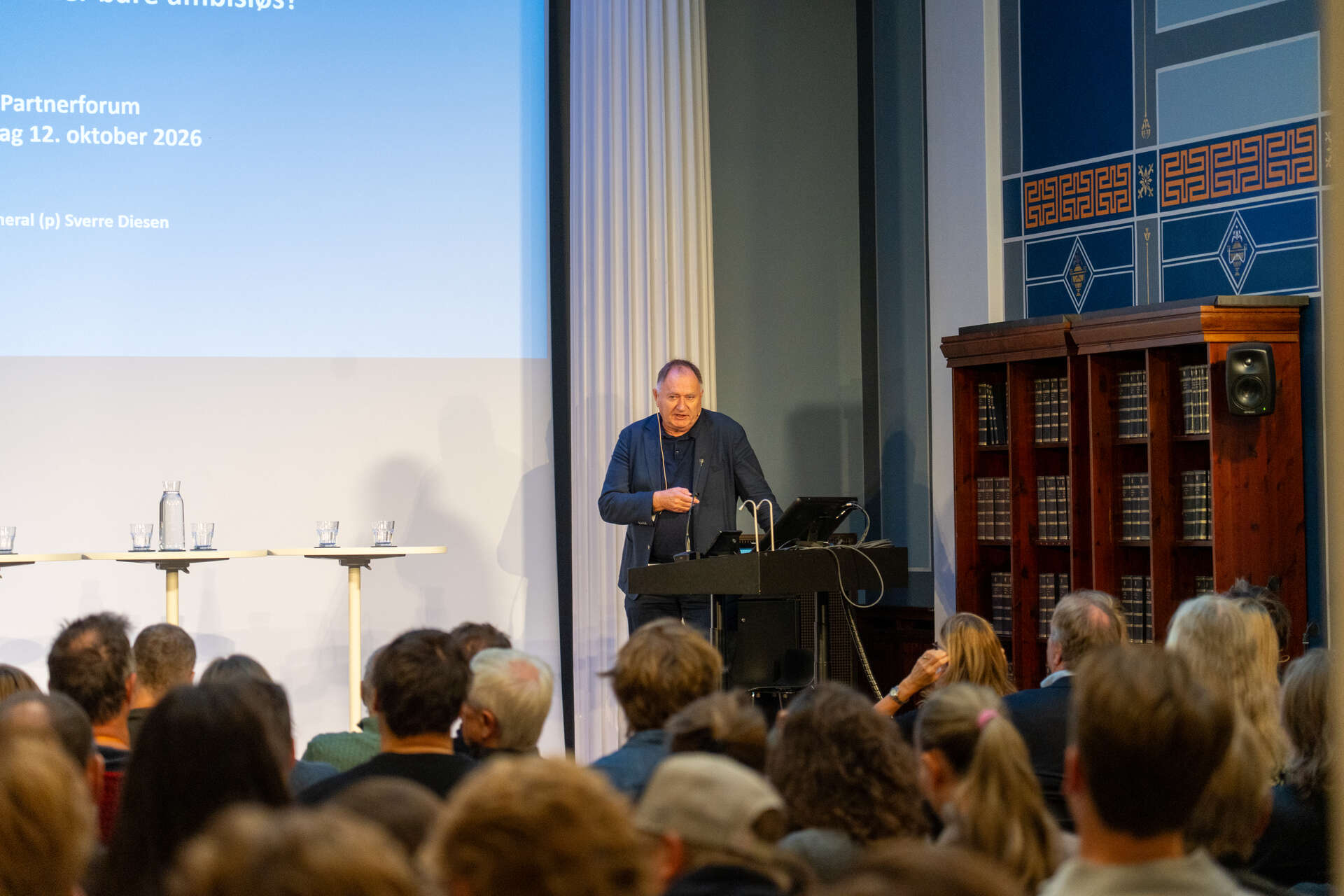
Sverre Diesen (former Chief of Defence (2005-2009) and is currently affiliated with the Norwegian Defence Research Institute as a researcher) questioned whether Norway’s long-term defence plan could deliver its intended capabilities. He emphasised the importance of balancing investment in equipment and infrastructure with operating expenditure. A larger force can weaken defence capability if insufficient funding remains for personnel, maintenance, and essential supplies.
Drawing on the Defence Research Institute's findings, Diesen highlighted shortages of ammunition, spare parts, and qualified personnel as evidence of underfunded operations. He argued that the plan’s allocation of roughly half of total expenditure to investment was too high relative to the balance suggested by Norwegian experience. The proposed 2027 budget already shifted spending towards operations compared with the plan. With equipment also becoming more expensive than anticipated, he warned that the planned force structure was unlikely to be realised, and that improvements in defence capability could fall short of expectations.
Housing Supply and the Location of New Homes
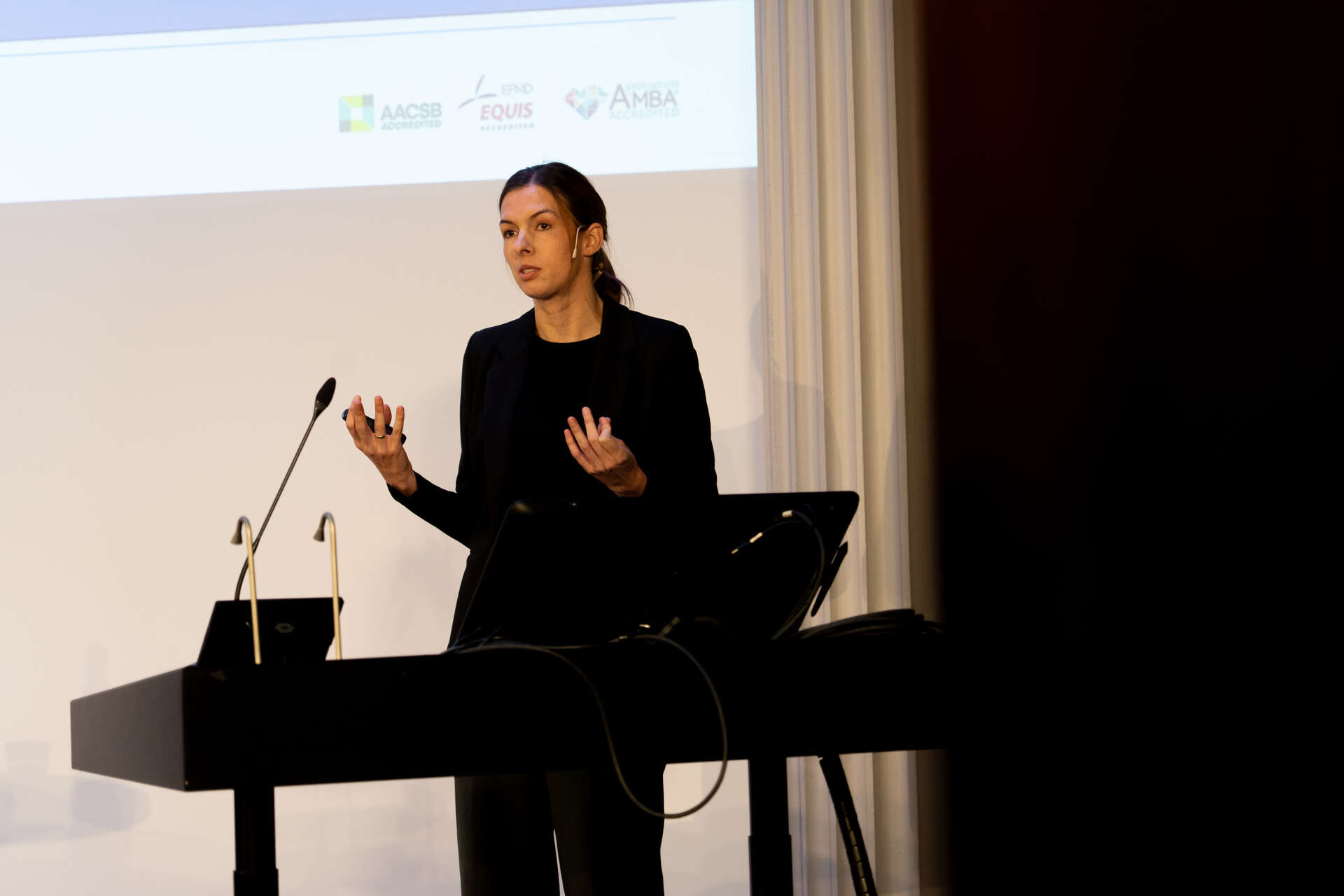
Ella Getz Wold (BI Norwegian Business School and Housing Lab) examined the government’s goal of 130.000 new homes by 2030, which she described as ambitious and probably too ambitious. Beyond the total number of homes, she emphasised the importance of where they are built. High housing costs in areas with productive employment opportunities can prevent people from moving to where their labour would generate the greatest value.
Wold distinguished between measures that increase buyers' purchasing power and those that make housing development more realistic. Easier access to credit and tax advantages for buyers can stimulate construction but also push up prices. Simplified building requirements, better financing for developers, and public co-financing of infrastructure could instead support construction with less price pressure. She also discussed how infrastructure costs should be shared between developers and the wider community, depending on who benefits.
The seminar then concluded with a panel discussion among the speakers, with questions from the audience, moderated by Karen Helene Ulltveit-Moe.