Current debates about colonialism and structures focus on the modality of colonialism in action and wed that action to a specific geographical and jurisdictional context.
The aim of this chapter is not to dismiss or relegate these understandings of colonialism, but to begin to develop a nuanced conceptual grammar that allows for accountabilities of the variegated nature and practices of colonisation and colonial governance across differing spatial and temporal contexts. It is argued that this is needed because it is far too easy at this moment to dismiss parallels drawn between different places where colonisation and its dimensions have been enacted as entirely different due to their geographical, temporal and governance disparities. In doing so, what occurs is a lack of ability to be able to show how patterns of colonial similarity and difference playout across differing contexts, thus restricting the analytic, educational and transformative capacities that such comparisons engender. In doing comparison between colonial contexts and modes of operation, what emerges is a space within which the specificities of colonisation with a particular place and time can begin to be drawn out and understood. This chapter follows the work of la paperson (2017) in conceptualising understandings of colonialism and colonisation not as monolithic forms and structures wedded to a particular context – and instead argues that colonisation in all its forms can be conceptualised and framed as a set of diverse technologies. As la paperson explains, technologies of colonialism are a way of thinking of and with colonial social-political-economic structuring and actions across variant temporal and geographic scales.
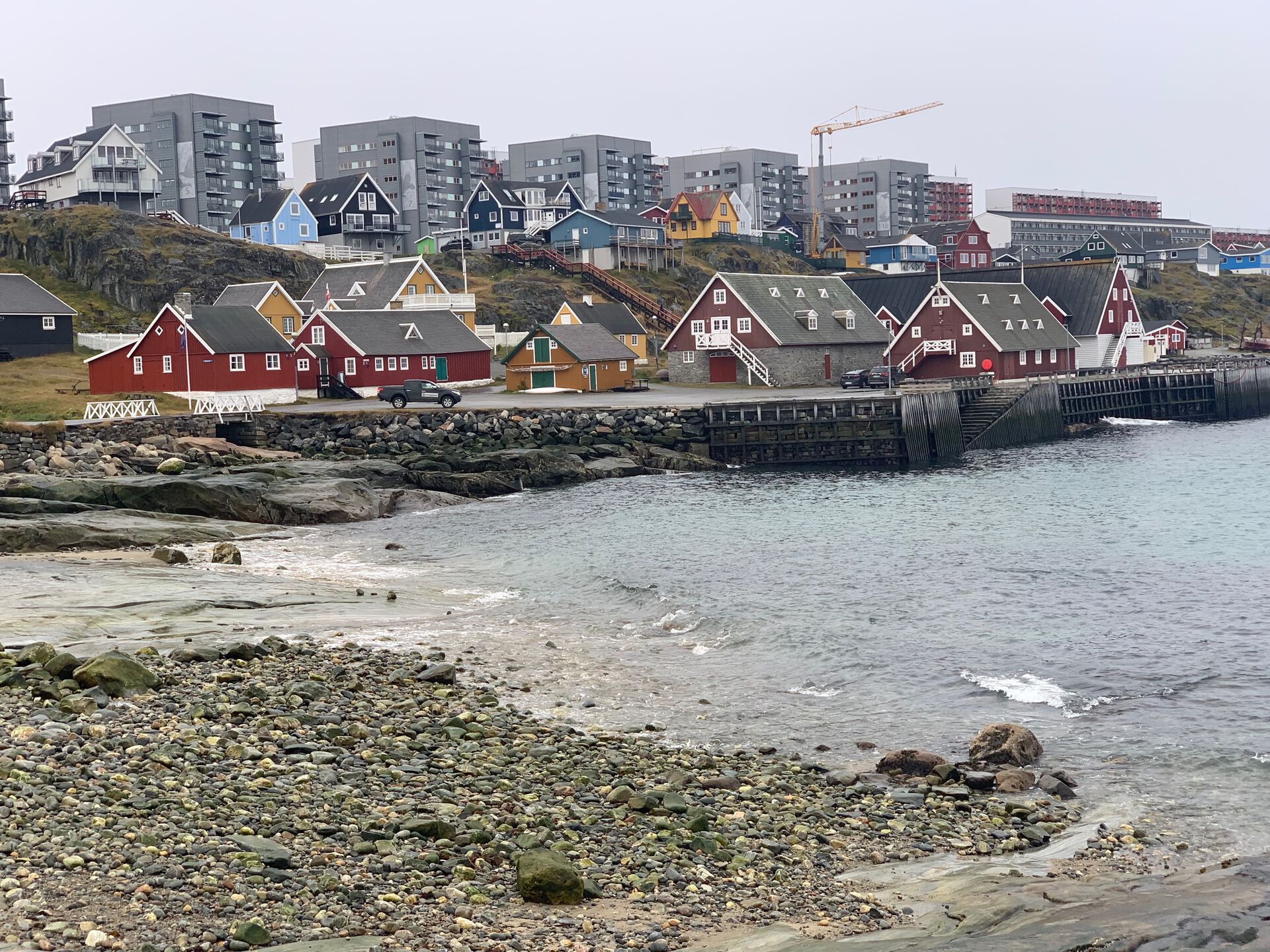
Dr Prashanti Mayfield is an urban geographer from so-called Australia and Post-Doctoral Research Fellow at UiT – The Arctic University of Norway. She is currently a contributor to the collaborative project Urban Transformations in a Warming Arctic and her current research is based in Nuuk, the capital city of Kalaallit Nunaat (Greenland), looking at how the city is positioning itself as a ‘capital of the Arctic’, considering how the city is being developed – and for who. She has a background working with environmental protest and public housing community groups contesting developments that would affect their local environments and ways of living. Her focus is on how people connect to places, the structures that govern these connections, how communities respond and react to these structures, and the outcomes this leads to over space and time.