The Oslo-based Research Group for Lifespan Changes in Brain and Cognition has been named as a world-class research group. At the same time the group’s founders, Anders Fjell and Kristine Walhovd, have just received the Research Prize for 2015 awarded by the University of Oslo.
Research news - Page 2
People born with a particular gene variant have a greater risk of developing depressions, a recent study from the Department of Psychology shows.
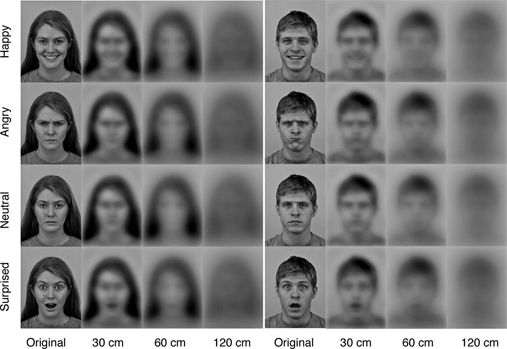
A newborn infant can see its parents' expressions at a distance of 30 cm. For the first time researchers have managed to reconstruct infants visual perception of the world.
Just after the first pill has been swallowed, the human body starts to react. A new study at the University of Oslo can be the first step towards an individualized treatment of mental illnesses.
Smoking used to be cool. Today it is a pastime for kids with problems.
Patients who have tried to commit suicide with medication, are prescribed more medication after the attempt, not less.
What makes a patient drop out from addiction treatment? It turns out scientists have been looking for the answer in the wrong place.
Positive expectations towards drinking alcohol in Malawi will in the end promote drinking itself, according to researcher.
A child's birth weight can explain brain development later in life.
Why are some people more vulnerable to depression than others? The short variant of a gene combined with stressful life events is enough to trigger a depressive episode.
People tend to be less satisfied with a decision if they arrived at it after changing their minds – even if the outcome is the same.
In many European countries there are negative attitudes towards immigrants, which may be due to fear. Now a team of researchers have developed a tool to measure xenophobia.
Which of the figures below is brightest in the middle? Maybe when your brain plays tricks on you it isn’t a mistake, but rather a sort of improvement on reality.
The methadone maintenance treatment programme recommended by the health authorities in Norway is a high dose programme. Professor Lianne Woodward from New Zealand urges caution.