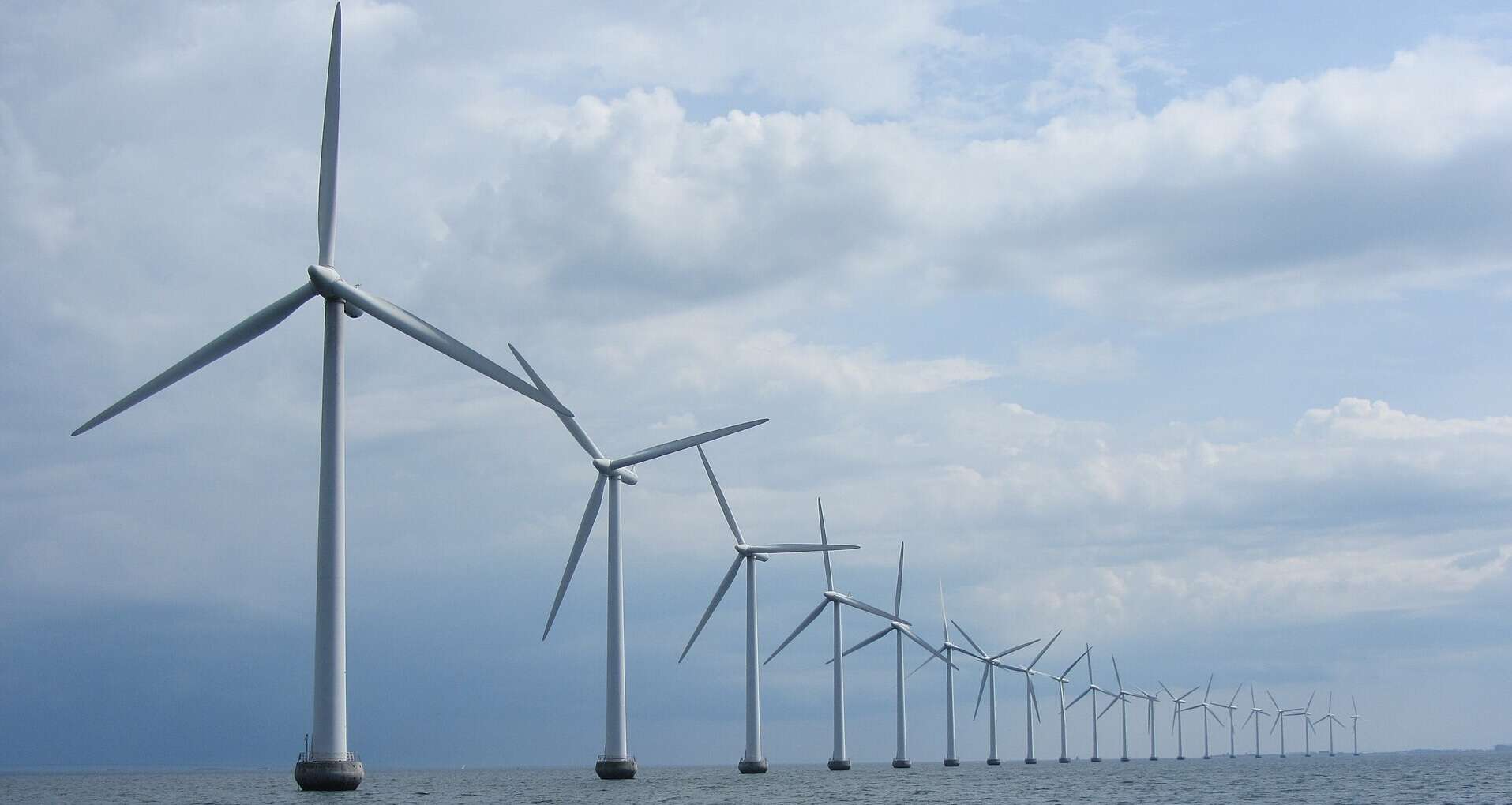
Abstract: Renewable energy technologies are often construed as benign and ‘good’ in the sense of being associated with qualities of something that is green and sustainable. In Denmark, wind energy has long historical roots but has been increasingly producing local contestations over individual wind farm projects. To understand how the wind energy economy has enacted particular (and increasingly contested) versions of the good over time, I draw a historical outline of wind energy technology: Emerging from its roots in the cooperative movement where the wind was economized as a ‘commons’, to the ‘paradigm shift’ – an emic term employed by actors in the Danish wind power sector. In this ‘shift’, where wind energy and wind technology becomes ‘critical infrastructure’, the wind economy is today economized through competitive tenders that value the ‘efficiency of scale’ and cost-efficiency, but at the potential expense of other more ‘social’ and ‘environmental’ values. Drawing on insights from Denmark’s experience with onshore and offshore wind, as well as the emergent technology of Gigawatt-scale “energy islands”/energy hubs based on High-Voltage Direct Current meshed grids that promise to connect and transport green energy across the EU, sometimes to be converted into green hydrogen, I lay out the valuations that have come to count in the orchestration of the energy transition, and the valuation struggles they produce, e.g. over local development and cohesion, co-ownership, nature, biodiversity. I end by relating this to my lens of ‘good-by-devicing’ and reflecting on how to think about how other versions of the good economy could emerge.
Bio: Julia Kirch Kirkegaard is a Professor of Energy and Society at the Technical University of Denmark (DTU), in the section for Science & Technology Studies at the Department of Technology, Management and Economics. Founded in Market Studies and Valuation Studies of STS, she is currently the Principal Investigator of two excellence grants, her ERC project ‘Good-by-Devicing – probing how value comes to matter: the case of energy islands’ and the ‘Sapere Aude’-project ‘The Expertise of Expectations – the case of Power-to-X’ funded by Independent Research Fund Denmark (IFD). Prior to her employment at DTU MAN, Julia for about eight years worked closely with engineers and energy economists at DTU’s Department of Wind and Energy Systems. While pioneering the foundation of a social science-based section at DTU Wind, Julia explored local controversies over wind energy, looking into issues of planning and development and socio-technical issues of noise and landscape effects (e.g. heading the IFD-funded project ‘Co-Green’ on wind turbine noise, and working in the research project Wind2050 on social acceptance of onshore wind in Denmark). She has spent considerable effort on her collaboration with technical experts and enjoys the interdisciplinary research that has resulted from this. Julia has also been employed at Stanford University, California, as a postdoctoral scholar, and did her foundational studies and PhD at Copenhagen Business School, working on wind energy in China.