PhD courses at the Department of Social Anthropology
The Department of Social Anthropology offers courses in recent anthropological theory as well as writing and method to our PhD candidates. Candidates with relevant projects from other departments or institutions may also apply.
Previous

5 ECTS
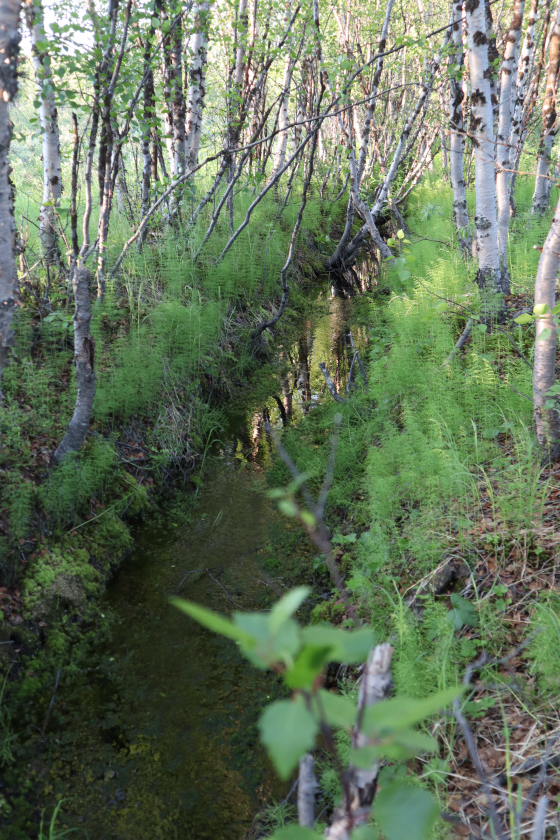
How do scholars work across disciplines to better understand the complexities of environmental challenges? How can techniques - classic and expanded - from ethnographic fieldwork help?
5 ECTS
Course convenors: Professor Andrew Mathews (UC Santa Cruz) and Professor Marianne Lien (University of Oslo).
Guest speakers: Professor Anna Tsing (UC Santa Cruz) and Professor Knut Nustad (University of Oslo).
Course teachers: Rebekah Ciribassi and Alessandro Rippa
Application deadline: 1 March 2026
This PhD course is the autumn 2025 version of SOSANT9100A/B - Recent Theory in Anthropology.
Teaching will be done collectively by Maka Suarez (UiO), Emil A. Røyrvik (NTNU), Marianne Blom Brodersen (Nord University), Jorge Nunez (University of Amsterdam).
Course teachers: Charline Kopf and Rebekah Ciribassi
.png?alt=listing)
PhD course (5 ECTS)
Co-organised with the Institute of Health and Society, University of Oslo, and Department of Anthropology and Sociology, Maseno University, Kenya.

This course aims to make the participants familiar with different genres and forms of "place-chapters", drawing on a range of published work, and to work on their own readings, reflections and writing about the place they are going to, or have, studied.
Credits: 5
How do scholars work across disciplines to better understand the complexities of environmental challenges as they materialise across geographies of difference and inequality?

Culture emerges through the unfolding of interspecies relations, involving and sometimes also transforming landscapes, people and non-human species.

The course invites the participants to develop an ecologically informed approach to anthropology, where the political is studied mainly through its effects.