Psychology for Climate
Psychology for Climate is working to adress the psychological dimensions and the responsibility of the institute in the ecological crisis.

Psychology for Climate at the Department of Psychology in the University of Oslo has been established to implement a climate strategy, promote research and teaching about psychological dimensions of climate change. The group was initiated with PSI’s climate report from 2021 and has included students and staff to develop measure to be implemented during the next two years. The suggested measures are:
-
- Collaborate with lectures at PSI to create “green thread” during the autumn 2022 and spring 2023. The emphasis should be on the first two years of the bacholor and professional progamme. This includes lectures and/or modules that connect the subject theme to climate psychology, taught by either the course leader or a guest lecturer.
- Design and deliver two new undergraduate courses (Introduction to Climate/Environmental/Eco-psychology; Green Mediation).
- Organize and implement PSI Climate Seminar Series in the autumn 2022 with both internal and external speakers.
- Write a proposal for new permanent scientific position in climate/environmental/eco-psychology.
- Collaborate with PSI administration to develop carbon footprint (impact) policy regarding resource use (e.g., electricity, paper, food).
Seminars
The strengthen the focus on environmental and climate related issues at PSI crisis, we are organizing a series of seminars with internal and external speakers. The talks will highlight the importance of psychology, also in connection with other social sciences, in solving eco-related challenges. After the lectures, there will be an opening for questions from the audience and any respondents.
Coffee and a light lunch will be served.
Welcome!
Our previous seminar: Francis Vergunst - Climate change and mental health: What does the evidence actually show?

Description of the talk: As climate change accelerates, so do warnings about its toll on mental health – but how much do we really know? This talk takes a critical look at the global evidence. The talk will begin by clarifying which dimensions of climate change are most relevant to mental health, distinguishing acute exposures such as extreme weather events from more chronic or diffuse stressors. A review the empirical evidence linking these hazards to psychological outcomes follows, before turning to concepts such as eco-anxiety and other forms of climate distress, asking what these terms mean and whether they are scientifically useful. The talk concludes with a discussion of current conceptual and methodological challenges that make it difficult to estimate the true burden of climate change on mental health, and what a more rigorous research agenda might look like.
Green thread in teaching
We hired six students to contribute to the work of creating more climate- and environment-focused teaching at the Department of Psychology. The students collaborated with instructors, mapped out suitable subjects, and produced tailored teaching materials for a range of courses at the department.
Climate-related courses at PSI
Part of our mandate is to create courses in climate, environment and eco-psychology.
What about PSI's own climate footprint?
Psychology for Climate is working on minimizing the carbon footprint of the Department of Psychology in accordance with the mandate set by PSI's management. Our efforts encompass various aspects, including mapping UiO's climate strategy and establishing connections with key stakeholders involved in these initiatives. Specifically, we focus on promoting sustainability in the areas of food, employee travel, and electronic storage.
Psychological research related to climate and environment
Climate and environmental psychology in the media (Norwegian)
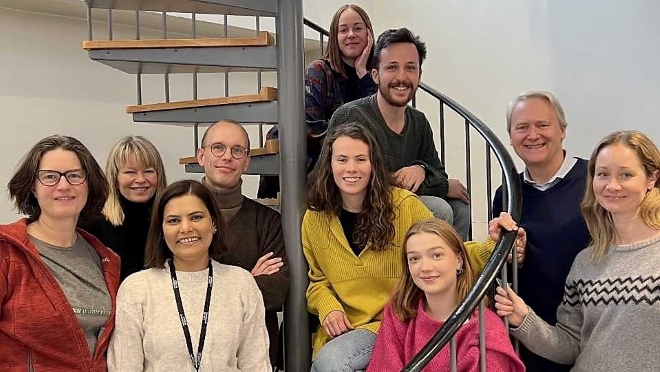
The memebers of the committee: Beate Seibt, Gulnaz Anjum, Nora Nord Rydningen, Nora Cornelia Glerud Benningstad, Charles Dana Samuelson (committee leader), Ole Jacob Madsen, Dora Soldis Asmundardottir, Juliana Jia Yu Zhang, Christian Andres Palacios Haugestad, Evalill Bølstad, Thomas Wolfgang Schubert, Åshild Lappegard Hauge, Charlie Dina Dickhausen (student), Magnus Hole Fjetland (student), Marit Venn (student)