About the project
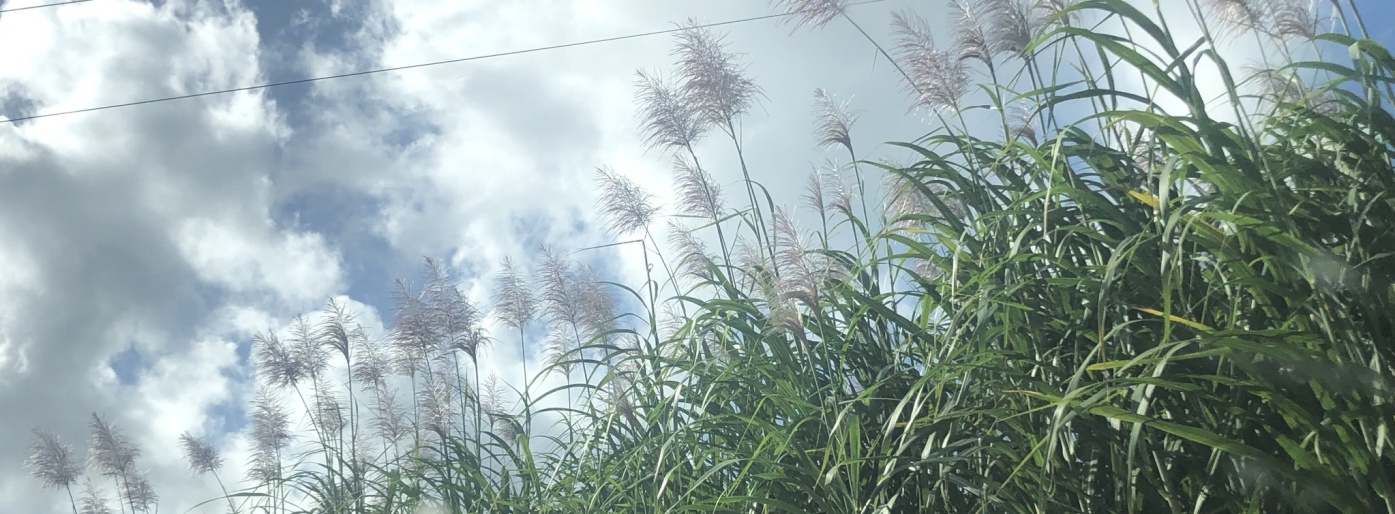
Since Reunion became a French overseas department in 1946, the sugar cane industry has endured a perpetual crisis, which reached new levels with the liberalization of the EU sugar markets in 2017. Despite this, the French state continues to subsidize sugar production on Reunion. This project aims to understand the perpetuation and shift-shaping of this colonial culture and asks how the sugar cane industry keeps reproducing itself. Moreover, the project looks at alternative agricultural projects and how they are shaped in the shadows of sugar cane production. The research finally seeks to understand how new dependencies are made within the subsidized agricultural sphere and how they might impede autonomy in a post-colonial setting.
Objectives
The PhD project aims to understand the challenges of ecological transitions in a post-colonial context. It seeks to contribute conceptually with new understandings of what post-coloniality means in a place still governed by its former colonial master and how ecological projects of difference can be used to resist this coloniality.
Method
The research is based on 15 months of fieldwork on Reunion Island. Data collection is based on formal and semi-formal interviews with sugar planters, organic farmers, state officials, and field trips with technicians. It also draws on participant observation in protests and social spaces celebrating creolité and local agriculture.
