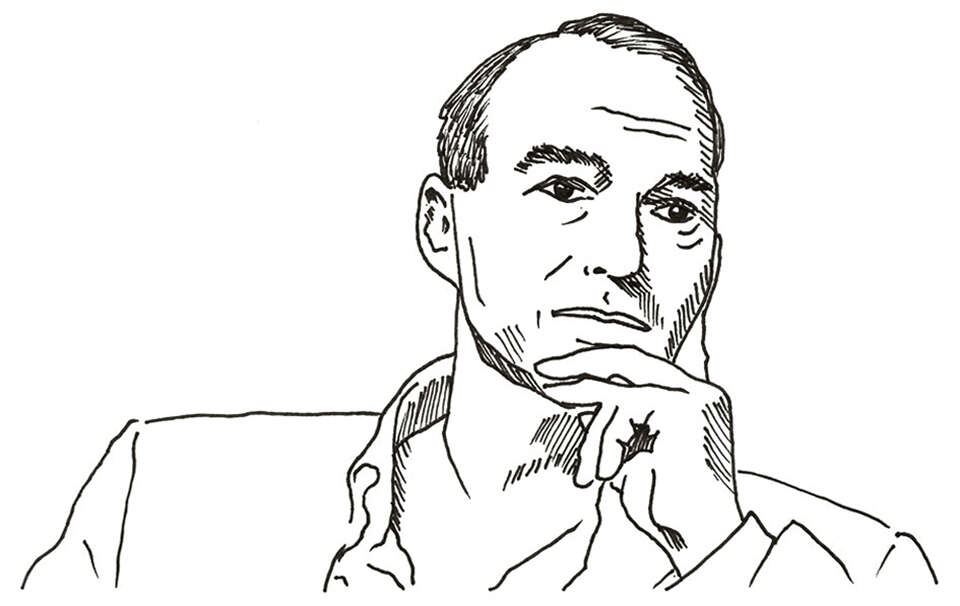
Throughout his long career, Thomas Hylland Eriksen emphasized that although cultural differences may seem intense and at times insurmountable, the similarities are far more striking. We share life-defining experiences connected to birth and death, along with senses of belonging, joy, sorrow and yearning, care and vulnerability. Currently, notions of all the things that unite us have come under pressure from increasingly powerful identity-based projects. On the one hand are perspectives that rightly call attention to historical injustices and power imbalances affecting Indigenous peoples and minorities, but which may risk reducing individuals to mere representatives. On the other hand, we have various identitarian movements that insist on sharply distinguishing “us” from “them,” thereby reinforcing an understanding of cultural differences as absolute and decisive. Despite their ideological differences, these projects share a tendency to cast doubt on the idea of an underlying common humanity.
So, we ask what place human universals holds today. Can we follow Thomas Hylland Eriksen’s argument that we need a "warmer" view of human variation – one that recognizes differences as interesting, but not incompatible? How can we put our shared humanity center stage while also accounting for historical injustices and power relations? What is the relation between human rights and radical solidarity? And how can everything we have in common become a platform for empathy and mutual understanding in a world that otherwise risks fracturing along identity lines?
Conversation partners
Venkatesan is professor of social anthropology at the University of Manchester. Her most recent book, Decolonizing anthropology (2024), is an intellectual tour de force that shows a remarkable talent for discussing conflicting concerns in an evenhanded manner.
Wilson is professor and co-director of the Princeton University Human Rights Initiative, and has for decades been a leading academic within the fields of human rights and transitional justice.
Bergtora Sandvik is professor at the University of Oslo and affiliated professor at the University of Tromsø. She is a legal scholar and expert on international law and indigenous rights. Her latest book was Humanitarian extractivism: The digital transformation of aid (2023).
About the event
THE Dialogue is a conversation about selected themes that Thomas Hylland Eriksen was deeply engaged with throughout his scholarly life. It brings together voices across disciplinary boundaries, and aims to be enlightening, entertaining, and thought-provoking – true to Thomas’s own work and mindset. The conversation is intended for anyone who still has their curiosity and yearning for knowledge intact, and otherwise, the threshold for participation is low.
After the main session ends, the Thomas Hylland Eriksen Memorial Prize will be awarded. There may be additional surprises from the stage. Refreshments is available for purchase throughout the event.