In light of knowledge about the perpetrators of far-right extremist attacks in Norway, Alida Skiple questions the Norwegian strategy to prevent radicalisation and identifies a distinct set of blindspots in the Norwegian approach.
Last modified June 29, 2026 1:05 PM by root@localhost
Studies on public responses to terrorism find that right-wing extremist attacks, relative to Islamist extremist attacks, tend to receive less media coverage, are less likely to be labelled as terrorism, and more likely to be perceived as isolated events caused by individual and psychological factors rather than ideology. Consequently, scholars argue that there exists a so-called “double standard” in how Western societies respond to violent extremist attacks depending on who the perpetrator is.
Last modified Mar. 12, 2026 1:12 PM by root@localhost
Last modified Mar. 12, 2026 1:19 PM by root@localhost
Last modified Mar. 12, 2026 1:27 PM by root@localhost
Last modified Mar. 12, 2026 1:39 PM by root@localhost
Last modified Mar. 12, 2026 1:42 PM by root@localhost
Last modified Apr. 29, 2026 1:37 PM by marishoy@uio.no
In today’s digital age, online harassment has become more common, and researchers are no exception. This particularly affects those who work on politicized or contested topics, especially after they appear in the media or publish their work. How can we prevent and mitigate online harm? In this blog post, we argue that our response must be holistic, including individual, community, and institutional strategies.
Last modified Feb. 24, 2026 9:33 AM by marishoy@uio.no
Analysing hate speech convictions, the authors find that it is unclear where Norwegian courts draw the line between distasteful expressions and criminal hate speech. Notable variations in individuals’ perceived culpability and legal protection against hate speech are discussed.
Last modified Feb. 24, 2026 9:34 AM by marishoy@uio.no
Joshua Farrell-Molloy elucidates how masculinity helps explain performances of militant republican aesthetics by Irish far-right actors, who bind a revolutionary past to contemporary opposition to immigration and present themselves as the latest generation of men stepping forward to defend Ireland.
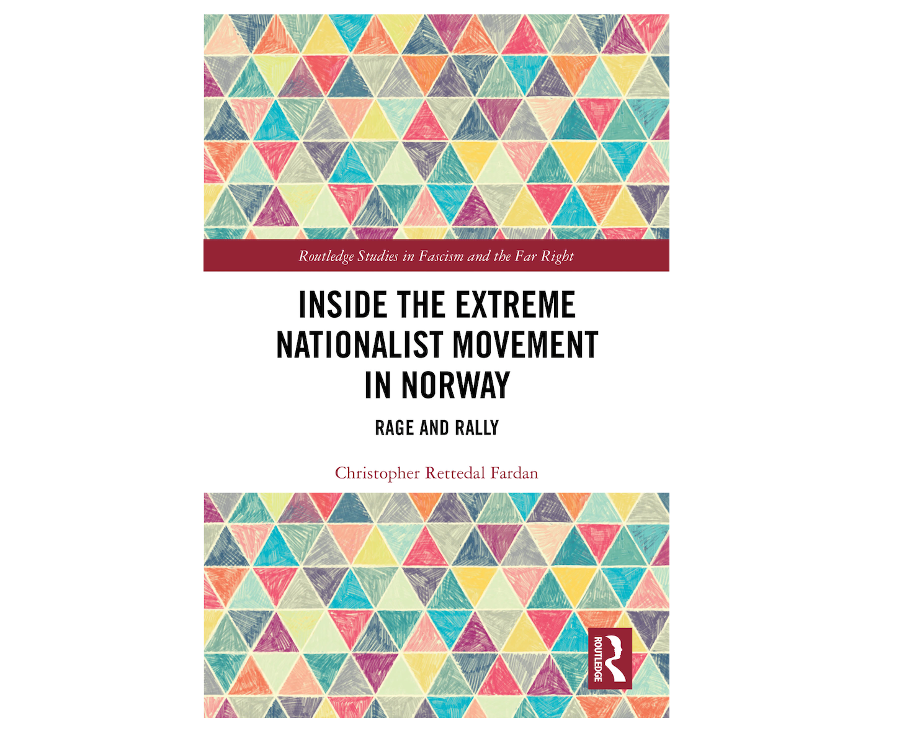
In his book, Rage and Rally, based on his doctoral dissertation, Christopher Rettedal Fardan investigates how different forms of extreme nationalism are sustained in contemporary Norway, offering critical insights into the social, relational and interactional contexts that enable these movements to persist.
Fossil fuels are once again driving US foreign policy. Under Trump 2.0, resource power is back—at home, abroad and with consequences for the global climate.
Last modified Oct. 27, 2026 5:14 PM by root@localhost
Last modified Oct. 27, 2026 5:07 PM by root@localhost
As far-right politics reshape European democracies, Spain's Prime Minister Pedro Sánchez has taken a strikingly different path - doubling down on “NO” to the wars in Gaza and Iran, and progressive, universalist policies rather than accommodating the far-right agenda. Will it cost him power?
Muhammet Derviş Mete examines how terrorism charges increasingly function as a powerful political instrument across different established democracies to silence opposition, suppress dissent, and undermine freedom of speech and assembly.
Last modified Feb. 24, 2026 9:35 AM by marishoy@uio.no
Based on a unique survey of the Norwegian LGBTIQ+ population following the Oslo Pride terrorist attack, Birgitte P. Haanshuus and Øyvind Bugge Solheim examine the consequences for those directly affected and for those indirectly affected through their minority group identity.
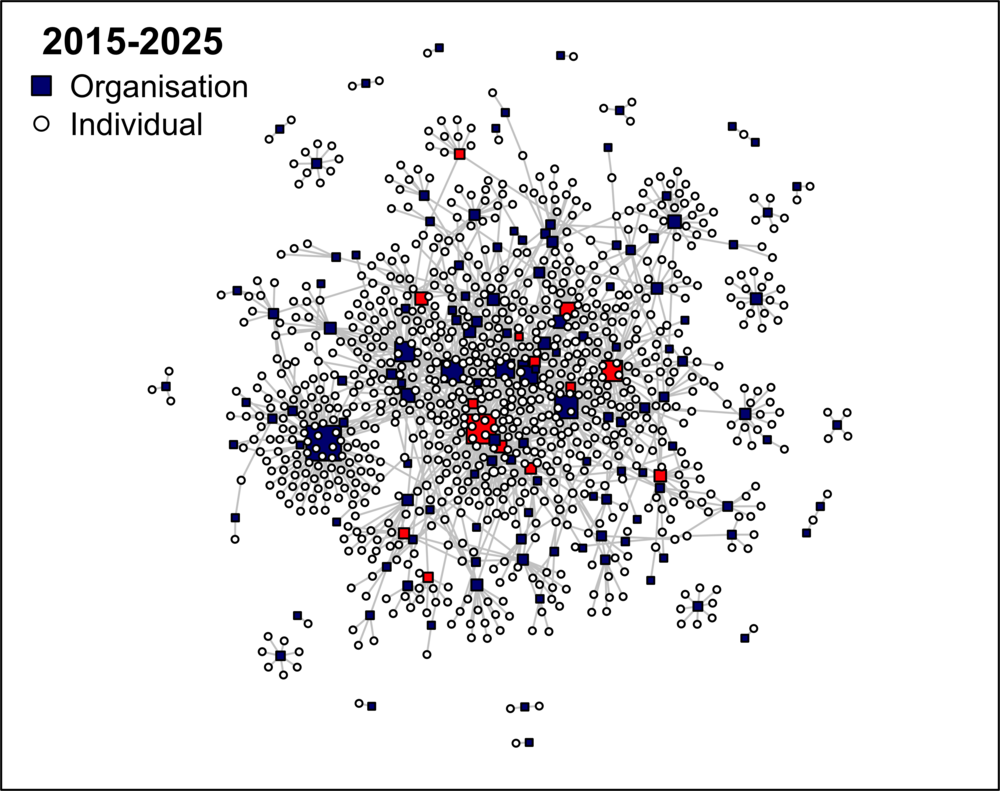
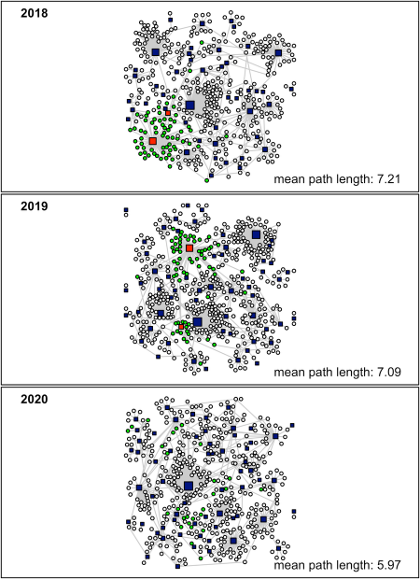
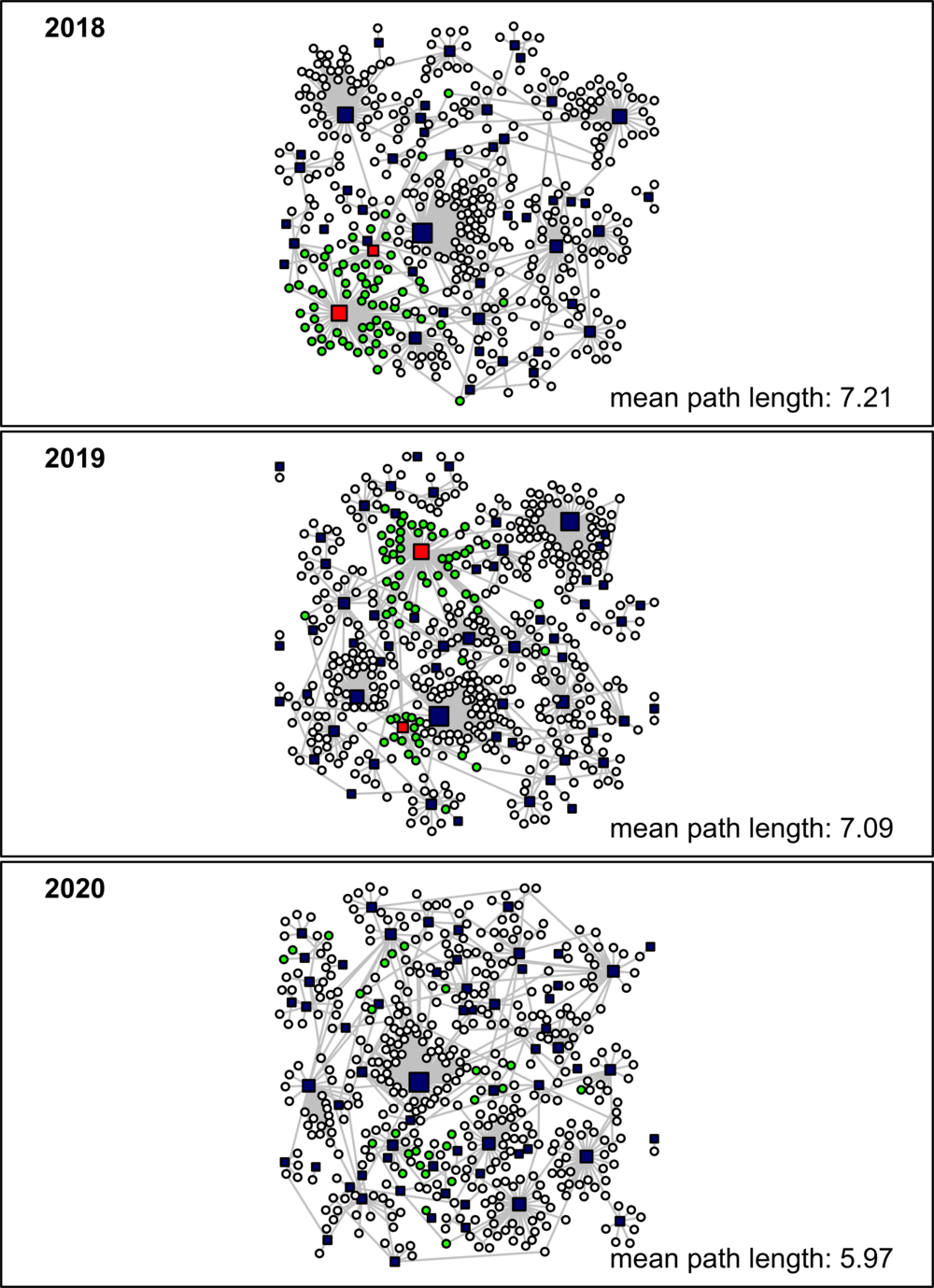
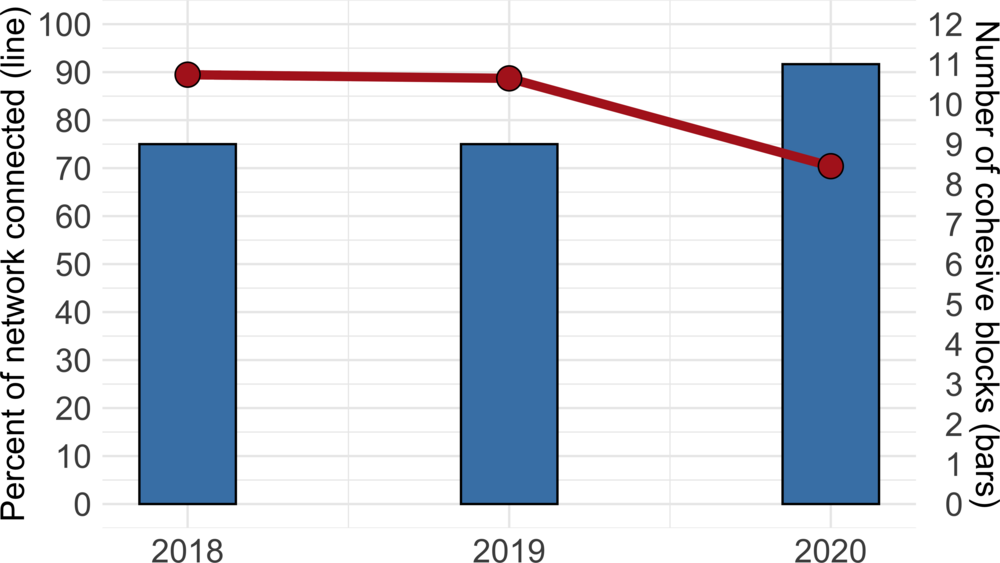
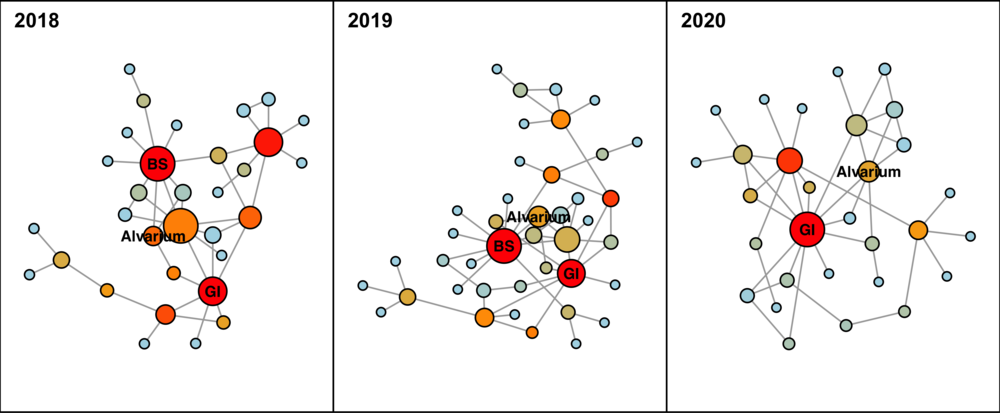
Using novel data of organisations and their members in France, Michael C. Zeller shows how organisational bans impact far-right organising more broadly. A short network analysis reveals how bans produce fragmentation, but also adaptation by far-right movement actors.
Rising fuel prices in Ireland and ensuing protests have become a far-right rallying point. And while thus far failing to meaningfully unite the far-right domestically, these events have become particularly important for international provocateurs seeking to further their own agenda, explains Shaun McDaid.
Political mobilisation against trans people has escalated exponentially since the pandemic. This serves a clear far-right and reactionary agenda, but as demonstrated by the case of the UK, also has significant implications for politics beyond the far right.
The Great Replacement theory is sanitized and mainstreamed in political debates through the policy proposal of ‘remigration’. As the conspiracy narrative is translated into the more palatable language of public policy, it gains ground and legitimacy, explains Luca Mancin.