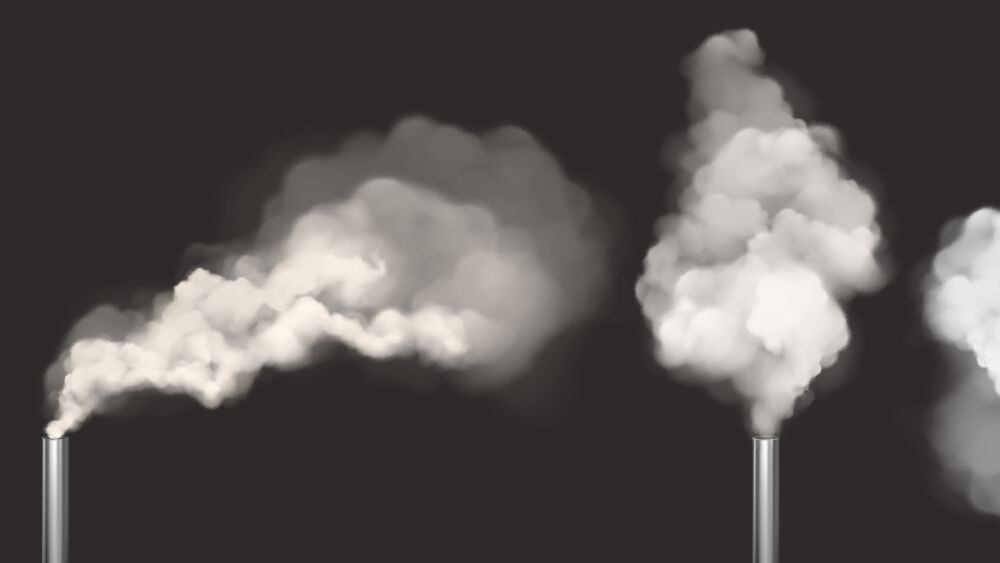
Situated on the hot and dry north Indian plains, the city of Delhi has always lived with dust. But in the last three decades, dust has transformed into a problem: air pollution. In the world's most polluted capital city, debates about dust rise and subside like seasonal storms, never quite becoming a public priority. Why? Despite its severe impacts on health, why does air pollution become yet another element in a deteriorating urban environment to be borne and lived with, rather than a public emergency that calls for urgent and drastic action? Amita Baviskar’s talk addresses these questions by situating them within a cultural politics of environment and development.
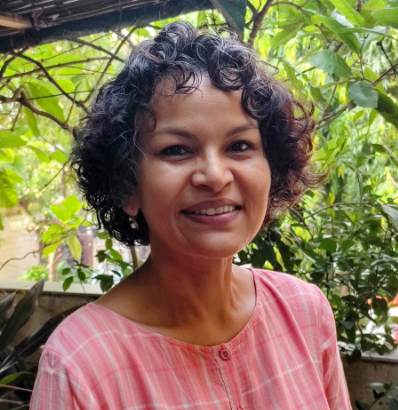
Amita Baviskar is a Professor of Environmental Studies and Sociology & Anthropology at Ashoka University, India. Her research addresses the cultural politics of environment and development in rural and urban India. Currently, she is working on food and changing agrarian environments in central India and studying the social experience of air pollution and heat in Delhi.
The seminar is organized by the Centre for South Asian Democracy and the Oslo Center for Environmental Humanities.