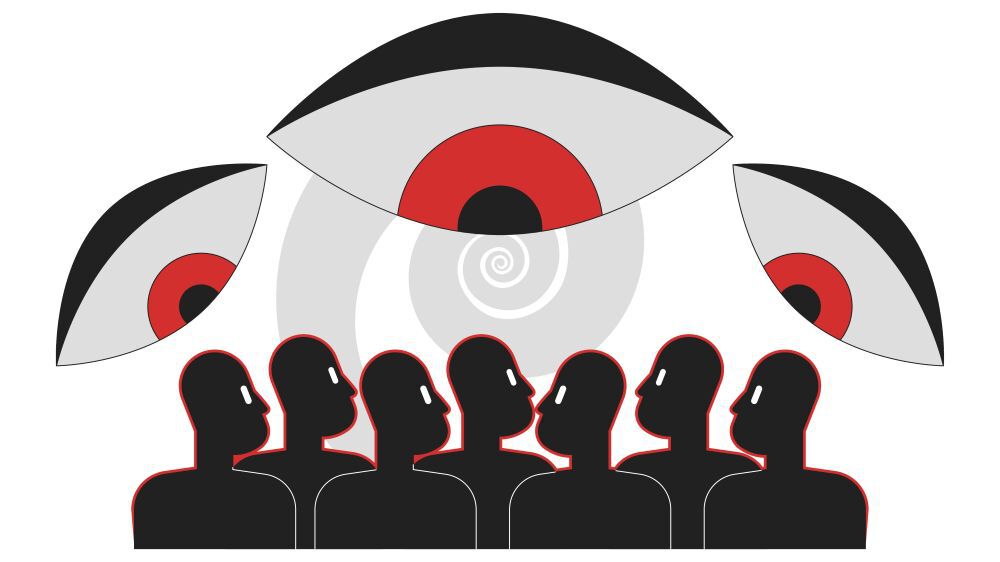
Efforts to repress critics abroad are a disturbing and little-appreciated aspect of the contemporary wave of authoritarian strongman politics. It is a character trait of authoritarian regimes to be sensitive to criticism and in today’s world backsliding democracies are increasingly pursuing critics in exile. While in the past, only truly autocratic regimes would actively pursue critics abroad (think of how Stalin had Trotsky murdered in Mexico), contemporary backsliding electoral democracies are joining established authoritarian and autocratic practices.
This development is also evident in the case of many backsliding democracies in Asia – India, Bangladesh, Thailand, Cambodia and others – and is an extension of domestic compulsions. Authoritarian regimes will seek to silence critical voices. Transnational authoritarianism is a compulsion that extends authoritarian tendencies at home to the outside world, inflicting oppressive measures on audiences even in liberal democracies.
In the edited book The Long Reach of the Strong Arm, the authors analyze transnational authoritarianism from the technologically advanced forms of surveillance via more ‘traditional’ murder or forced extraction, to the inexpensive yet effective engendering of insecurity and loneliness. A particularly nasty technique is to target proxies – relatives still living in the homeland. The Long Reach of the Strong Arm is available Open Access and can be read here!