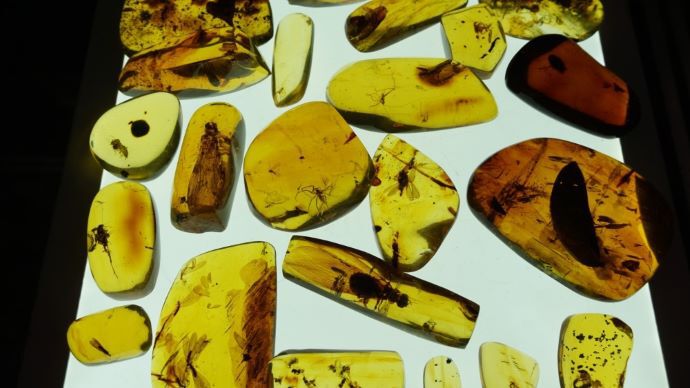
Since the Mexican Revolution (1910-1920) artesanías (also known as crafts) have been promoted by the Mexican state as the most Mexican art and have become a cornerstone in the national identity of the country. The work with amber has deep roots in Chiapas and dates back to prehispanic times but it was not until late in the 20th century that commercialisation escalated heavily. Today, it is estimated that around 4.000 families live from amber in Chiapas.

For her MA thesis, Sarah conducted a six months ethnographic fieldwork exploring how amber artisans navigate the multifaceted violence they face in their everyday lives. The thesis explores how artisans navigate, live with and respond to the many challenges they face such as the profound injustices from the Mexican state, fear and violence produced by organised criminal groups, domestic violence and larger geopolitical fluctuations affecting the sales of amber, all together creating many insecurities. Despite these immense adversities, amber artisans manage to remain hopeful, inventive, and have become their own kind of entrepreneurs who carry on and always find new ways to continue working with amber.
Since then, Sarah’s project has developed in new directions. In 2024, Sarah filmed a documentary in collaboration with artisan Antonio Ramírez Jardines. The documentary follows Antonio and one piece of amber from the mines of Simojovel, to a workshop in San Cristóbal de las Casas and finally to an art gallery in Oaxaca.
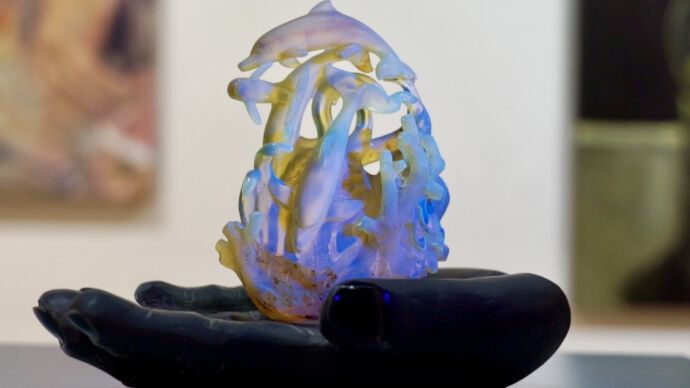
Sarah is also working on an article that explores the creative processes amber undergoes in becoming jewelry and sculptures. The article highlights how artisans directly engage with the material’s deep time and how geological imaginaries are woven into both creative practices and marketing.