Abstract
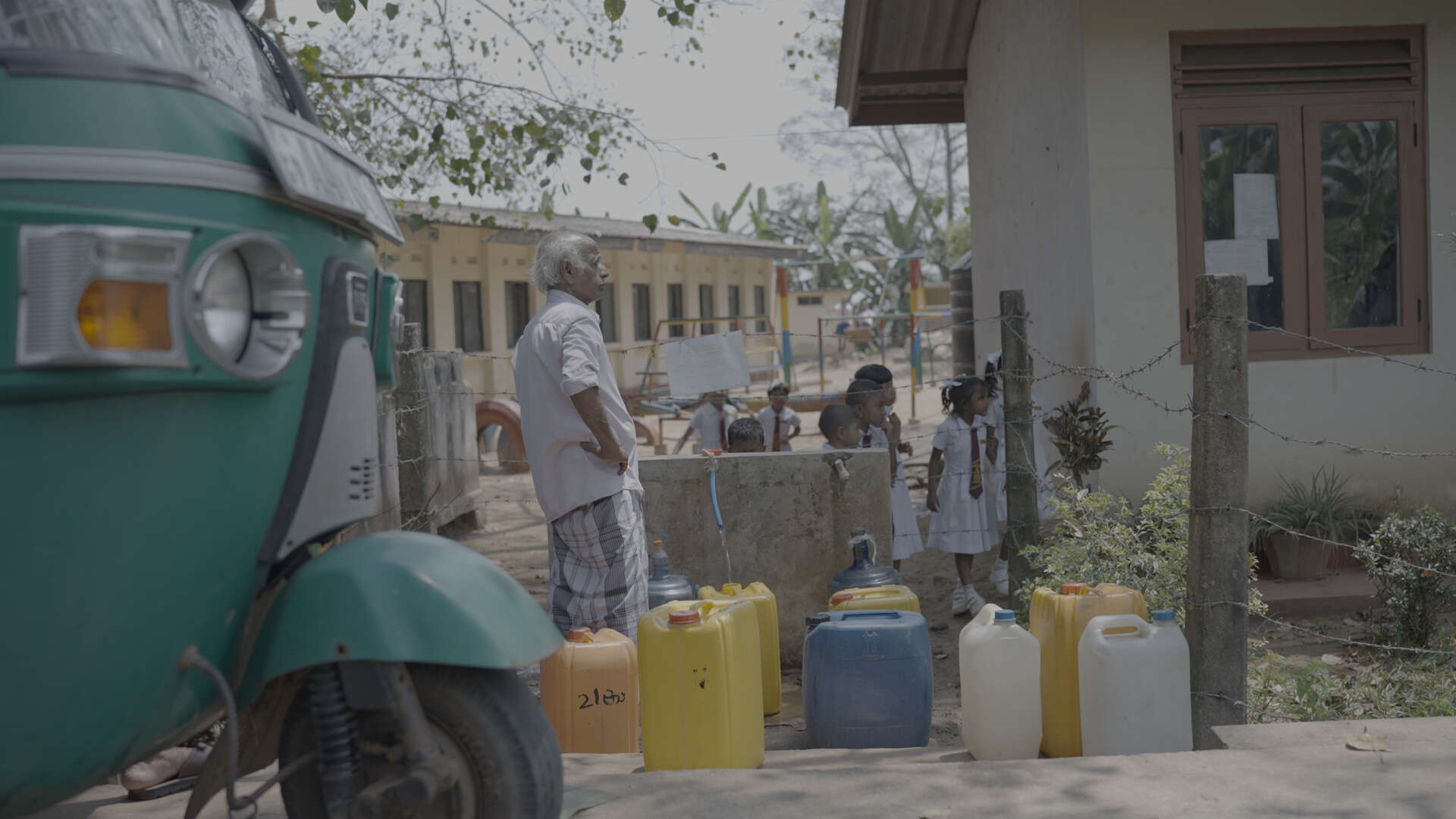
Drawing on my long-term fieldwork in Sri Lanka and Minamata, Japan, this talk traces twentieth-century technology of engineering nature and visions of progress across the two sites, and presents an ethnography of toxic anxiety and jetsam. With the term "toxic anxiety," I mean an uneasy sensation that something unknown may already be affecting us, with consequences yet to come, while “jetsam” means what we cast out of sight while possessed by visions of progress. I argue that ethnography begins when another person's suffering makes us apprehend what remains unrecognized within our own lives. It invites us to reclaim what progress once asked us to leave behind.
Sri Lanka's dry zone and Minamata are historically connected and both CKDu (Chronic Kidney Disease of Unknown Etiology) and Minamata disease were born in the twentieth century in worlds in which what sustains and improves life may also be what harms it. Minamata disease, first officially reported in 1956 as an illness of unknown cause, was later identified as methylmercury poisoning caused by industrial wastewater from the Chisso Corporation's acetaldehyde production, which began in 1932. After WWII, Nippon Koei Co., Ltd., the largest Japanese engineering consulting firm, epitomized Chisso's imperial science, visions, networks, and personnel and led many ODA projects. In Sri Lanka, Nippon Koei's projects also became part of the Mahaweli Development Programme, modelled after the Tennessee Valley Authority (TVA).
Bionote
Sae Nakamura is an Associate Professor of Cultural Anthropology at the University of Tokyo. Her research is grounded in long-term ethnographic fieldwork along Sri Lanka’s western coast and, more recently, in predominantly Sinhala dry-zone areas of north-central Sri Lanka. Her work focuses on aging, care, illness and death, ethical relationships that emerge through embodied encounters, and different ways of doing and writing ethnography that might attend to experiences that are not easily captured in words. Her book Communicative Bodies: An Ethnography of a Home for Elders in Sri Lanka (2017, in Japanese) explores care and end-of-life experiences in a Sri Lankan elder care home. Moving between field sites in Sri Lanka and Japan, including Minamata, Nakamura explores how histories of development and environmental intervention become entangled with landscapes, bodies, and everyday life. She explores the phenomenon of chronic kidney disease of uncertain etiology (CKDu) in collaboration with Sri Lankan researchers, healthcare professionals, and local filmmakers, and aims to turn the study of Sri Lanka back toward Japan’s own histories.
READ MORE: Sae Nakamura - UTokyo Cultural Anthropology