
Conference schedule:
Place:
University of Oslo
Eliert Sundts hus (click on this link)
Moltke Moes vei, 0851, Oslo
TUESDAY, JUNE 16th
Qualitative Methods Workshops
9:00 – 12:00
Abductive Qualitative Analysis (Auditorium 3)
Facilitator: Iddo Tavory
________________________________________
12:00 – 1:00 PM
Lunch
________________________________________
1:00 – 3:00 PM
Video Analysis in Qualitative Research (Auditorium 3)
Facilitator: Anne Nassauer
________________________________________
3:00 – 5:00 PM
Walking Tour of Sognsvann
Meet outside of Auditorium 3 after the second methods workshop and take the subway to Sognsvann, a popular local wooded lake park above Oslo. We’ll take a leisurely walk around the park. It is possible to swim if the weather is good, so bring swimsuits if you are interested.
Suggested Social Venue (~7:30-8:00): Torggata Botaniske, Torggata 17B, 0183, Oslo
WEDNESDAY, JUNE 17th
________________________________________
9:00 – 9:30
Opening Remarks & Logistics
Musical/Poetry Performance by Vetle Nærø & Sina Schüttler
________________________________________
9:45 – 10:45 AM
Clinical Work, Psychotherapy & Risk (Auditorium 7)
• Occupational Alienation in the Clinical Environment Among Nurses: ‘Me-You’ and ‘We-You’ – Vilma Zydziunaite
• Holding the Situation: Interactional Authority in Ketamine-Assisted Psychotherapy – Sina Schüttler
• Self-destructive Behavior – A Sociological Perspective on Seemingly Illogical and Paradoxical Behavior – Hanne Rødberg
________________________________________
10:45 – 11:15 AM
Morning Coffee
________________________________________
11:15 AM – 12:15 PM
Crime, Looting & Illicit Economies (Auditorium 7)
• Making Crime Make Sense: Situated Narratives, Local Worlds, and the Divergent Logics of Everyday Crime Talk – Aaron Bielejewski
• More Than Mere Theft: A Video-Based Microsociological Case Study of Disturbance Looting – Katarina Dacić
• Between Hustle and Home: Work-life Balance in Drug Dealing – Frøja Storm-Mathisen
________________________________________
12:15 – 1:00 PM
Lunch
________________________________________
1:00 – 2:00 PM
Love, Sexualities & Intimate Identities (Auditorium 7)
• Secret Happiness – Sara Jacobsen
• The Rationalisation of Love – Nell Whittaker
• Bisexual (Im)possibilities: Spaces Bi+ Women Construct Identity – Tyra Grasmo
________________________________________
2:00 – 2:30 PM
Afternoon Coffee Break
________________________________________
2:30 – 3:30 PM
Teaching, Learning & Academic Trajectories (Auditorium 7)
• Teacher’s Leadership while Preparing Music Performers in Music Gymnasium and Conservatory: Context of Teacher-student Interaction – Agnė Daučianskaitė-Kubilevičienė
• Tales of a Disillusioned Academic – Persuasion in a Post-truth Era – Margunn Bjørnholt
• Challenges During Doctoral Studies in Higher Education within the Three Levels: Personal, Institutional and Supervisor-related – Vilma Zydziunaite
________________________________________
4:00 – 5:00 PM
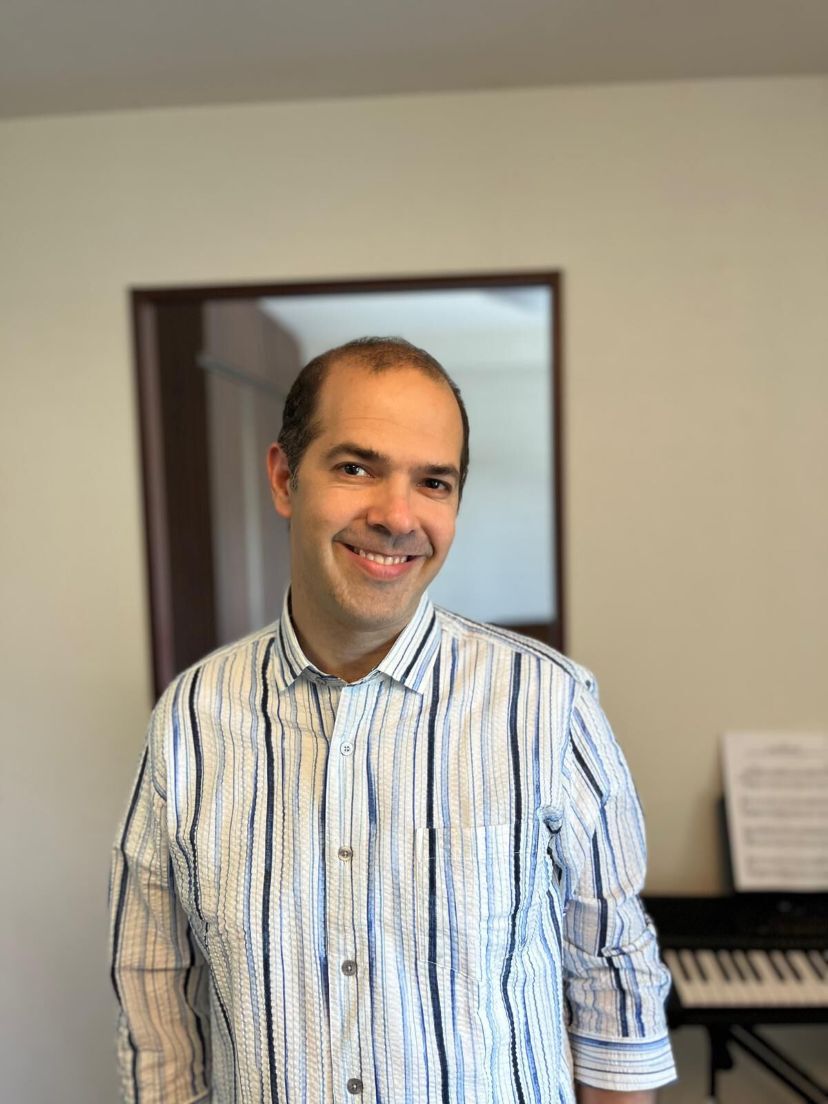
Keynote: Iddo Tavory: “The Varieties of Interaction Ritual Experience” (Auditorium 7)
________________________________________
5:30 – 6:30 PM
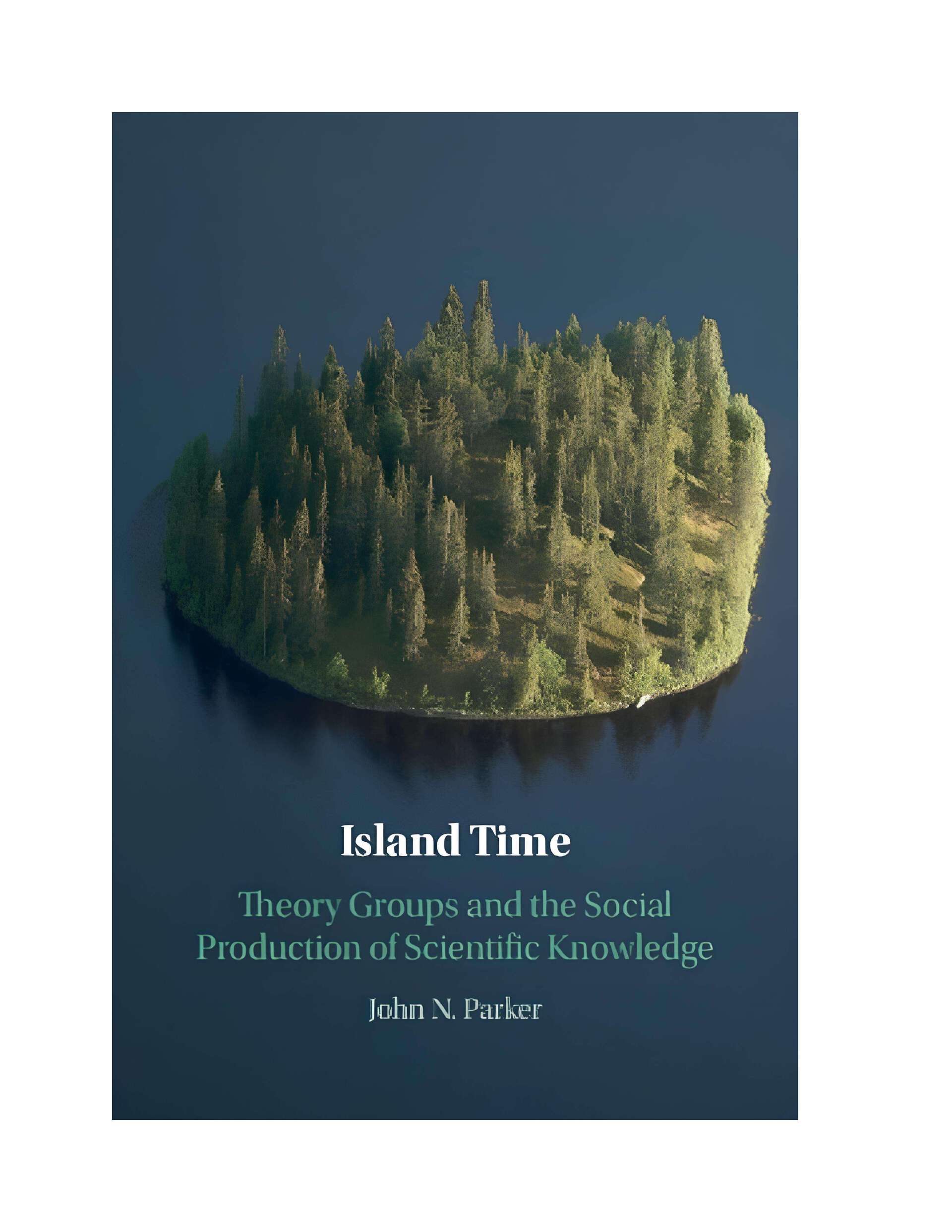
Book Launch: Island Time: Theory Groups and the Social Production of Scientific Knowledge (Niels Treschow’s hus, room HF-12 (12th floor).
John Parker will talk with Joseph Kotarba about his new book. The discussion will be moderated by Lars Klemsdal. Wine and snacks will be provided.
Suggested Social Venue (~7:30-8:00): Teddy’s Soft Bar, Brugata 3A, 0186, Oslo
THURSDAY, JUNE 18th
________________________________________
9:00 – 10:00 AM
Health Systems, Ambiguity & Meaning (Auditorium 7)
• Integrating Cultural Codes and Self-conceptions in the Study of Youths’ Mental Health Discourse on Social Media – Patrick Williams
• Frontier(s) of Health: From Meme to Concept – Joseph Kotarba
• Constructing Ambiguity through Language in Informal Payments for Healthcare – Marius Wamsiedel
Help, Ethics & Illness Narratives (Auditorium 3)
• Embodied Ethics and the Naked Face of Abuse: A Three-phase Model of Helping Online – Sidsel Harder
• Liquid Assets: How Plasma Donors Make Meaning Through Emergency, Strategy, and Care – Brandon Jackson
• Taking Back the Narrative: Humor, Illness, and Control in Stand-up Comedy – Izabela Bukalska
________________________________________
10:00 – 10:30 AM
Morning Coffee
________________________________________
10:30 – 11:30 AM
Policing, Order & Spatial Control (Auditorium 7)
• “If you look professional you act professional”: Police Uniforms, Situational Power, and the Persuasion of Professionalism – Camilla De Camargo
• Symbolic Interactionism and the Production of Space in the ‘Police Kettle’ – Julia Rodriguez Pantel
• Littering in Public Places. Face-to-face Encounters in Creating Social Order and Disorder – Anna Kacperczyk
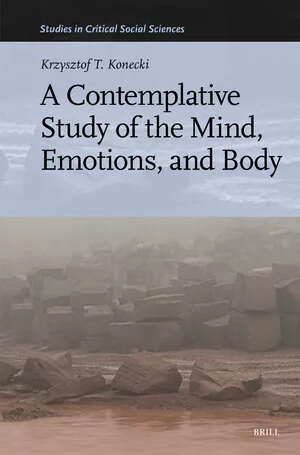
Author Meets Critics: A Contemplative Study of the Mind, Emotions, and Body (2025) (Auditorium 3)
Author: Krzysztof T. Konecki
Discussants:
• Joseph Kotarba
• Lars Klemsdal
• Bjørn Andersen
________________________________________
11:30 – 12:30 PM
Lunch
ESSI Society Meeting (Auditorium 3)
________________________________________
12:30 AM – 1:30 PM
Moral Education, Youth Work & Research Ethics (Auditorium 7)
• Performing Integrity: Managing Misalignment while Researching Transgressive Social Worlds – Thaddeus Muller
• Moral Maturity in Higher Education: Rethinking Moral Development through Dialogue and Academic Engagement – Aurelija Šiurienė
• Sense and Sensibility in Youth Work Under Pressure – Miriam Abildsnes
Mead, Meaning & Experiential Knowledge (Auditorium 3)
• Can Symbolic Meaning Be Predetermined? Ideas upon a Meadian Description of Perception – Andrew Blasko
• Mead’s Contribution to a Sociological Theory of Observation – Vessela Misheva
• The Role of Social Interactions in the Production of Non-Intersubjective Experiential Knowledge – Eve Gardien
________________________________________
1:30 – 2:00 PM
Afternoon Coffee
________________________________________
2:00 – 3:00 PM
Radical Interactionism, Order & Rhythms (Auditorium 7)
• Radical Interactionism: Conservative Interactionist's Backlash – Lonnie Athens
• Revisiting Interaction Order: Situations, Settings, and a Unitary Approach – Robin Smith
• Eurhythmic Interaction: Exploring Social Time-space Rhythms as Communal Forms – Aksel Tjora
Goffman, Institutions & Embodiment (Auditorium 3)
• What did Goffman do in Shetland? – Greg Smith
• Body, Home, State: Goffman and the Total Institution after the Infrastructural Turn – Gunhild Tøndel
• Visual Cognition and the Limits of Meaning: Collage, Asemic Writing, and Contemplative Sociology from the Perspective of Symbolic Interactionism – Krzysztof T. Konecki
________________________________________
3:30 – 4:30 PM
Keynote: Anne Nassauer: “The Power of Situations – Interactionist Theory in the Age of Video Data” (Auditorium 7)
________________________________________
7:00 Conference Dinner
Mela Cafe
Mariboes gate 8, 0183, Oslo
https://melacafe.no/
Suggested Social Venue (~7:30-8:00): Revolver, Møllergata 32, 0179 Oslo
FRIDAY, JUNE 18th
________________________________________
9:00 – 10:00 AM
Urban Environments, Mobility & Green Space (Auditorium 7)
• Urban Green Spaces and Urban Greening: Different Meanings and Hypocrisy Allegations – Marije van der Kruk
• Colliding City Constructs: Private Developers’ Experiences of Making the City – Marius Vigen
• The Public on Rails: A Material Discourse Analysis of Tram Designs in Oslo – Mats Hermansen
Activism, Memory & Climate Talk (Auditorium 3)
• ‘Life should be more than a continuous cry for justice and dignity’: Never-ending activism for Truth, Justice and Memory after Crimes against Humanity – Anne Sønneland
• Examining Reza Pahlavi’s Role in the Woman, Life, Freedom Social Movement on X/Twitter – Pouya Morshedi
• It’s not you, its’ the flight’: The Power of Humour in Climate Talk – Vilde Huseby
________________________________________
10:00 – 10:30 AM
Morning Coffee
________________________________________
10:30 – 11:30 AM
Public Space, Heritage & Superdiversity (Auditorium 7)
• Situating Memory: Interaction, Power, and Persuasion in Performative Engagements with Contested Heritage – Zornitsa Draganova
• Feeling, Valuing, Explaining: Everyday Sense-making of Superdiversity through Social Aesthetics – Roy Kemmers
Family, Separation & Parenting (Auditorium 3)
• Parenting Young Children after Divorce; Together or Separately – Jeanette Skoglund
• Parents Fear when Separating – Between Old Myths and New Realities – Jeanette Skoglund
• Defending the Play Frame: Drag, Audience Alignment, and the Interaction Order – Fillipa Flaherty
________________________________________
11:30 AM – 12:30 PM
Lunch
________________________________________
12:30 – 1:30 PM
Materiality, Atmospheres & More-than-Human Worlds (Auditorium 7)
• The Totemic Dog/Human Dyad – Anders Vassenden
• The Role of Objects in Interaction: An Analysis of Chess Tournaments – Bjørn Andersen
• “The air is charged with electricity": How Atmospheres Matter in Action Research and People’s Efforts to Effect Social Change – Mark Watson
________________________________________
1:30 – 2:00 PM
Afternoon Coffee
________________________________________
2:00 – 3:00 PM
Work, Care & Organizational Life (Auditorium 7)
• Small Talk, Silence, and Situational Power: Mediated Social Actions in a Norwegian Nursing Home – Elena Munarini
• Situational Sensemaking at the Naval Bridge – Lars Klemsdal
• The Collective Production of Loneliness: How Social Dynamics Undermine Co-presence and Enable Loneliness at Work – Franziska Steiner
________________________________________
3:00 PM
Closing Remarks
Keynote speakers:

Conference Theme: Situations, Power, and Persuasion
The 2026 European Society for the Study of Symbolic Interaction will explore how social dynamics occurring within face-to-face situations influence processes of power and persuasion. Situational power and persuasion are crucial for understanding social phenomena ranging from election campaigns to interpersonal violence, and from recruitment to extremist groups to establishing the existence of new scientific facts. Understanding how someone is persuaded to certain opinions, why they pursue certain courses of actions, and how and why stigmatization occurs requires understanding how power and persuasion operate in situations of co-presence.
This is so because, generally speaking, the capacity to impose one’s will on others or persuade them to one's way of thinking often hinges on having key social skills and situational resources. This applies to relatively egalitarian forms of social interactions such as those between private citizens and in situations in which power is formally inscribed such as organizational hierarchies or encounters between citizens and state representatives like welfare officials, doctors, the police, or teachers. A crucial issue here is how categorial memberships (e.g., gender, ethnicity/race, age, etc.) influence persuasive power in different kinds of social situations and vis-à-vis different audiences.
And even as we focus on power and persuasion within face-to-face situations, we must examine the role of social media and algorithms, which are also key social settings in which people are persuaded and power is exerted. The interface of the face-to-face domain and the virtual world is a topic ripe for interactionist theorizing. For instance, processes of persuasion in the virtual world may stem from lack of situational power within one's proximate face-to-face social interactions.
As social and political polarization threatens to tear democracies apart and as we witness the rise of new forms of authoritarianism, the topic of power and persuasion in social situations is an area where interactionist sociology can bring its unique expertise to the forefront of the general sociological agenda.
Under a broad interactionist and microsociological umbrella, we invite paper presentations for themes such as, but not restricted to:
- Social movements
- Political mobilization
- Work-life
- Love and interpersonal relations
- Inter-group relations
- Religion
- Race and Racism
- Professional – client interactions
- Stigmatization
- Violence
- Knowledge production
- Urban sociology
- Gender relations
- Conspiracy theories
Qualitative Analysis Workshops
On June 16th, we will offer two workshops on qualitative data analysis by leading microsociologists. There will be a separate fee of 50€ that will allow you to attend both workshops. These fees will be used to help fund the conference. You can sign up for the workshop when registering for the conference. You do not need to attend the conference to pay for and attend these workshops.
Workshop # 1: Abductive Qualitative Analysis with Iddo Tavory

Abductive Analysis is an approach to qualitative research that seeks to leverage moments of surprise in the research process. By methodologically and theoretically setting ourselves up to encounter puzzles in our field, we center the creative moment in which explanations are constructed, and aid our attempt to creatively theorize such moments. Following a presentation of some of the main tenets of abductive analysis, we will work through participants' data excerpts as a way to get a concrete sense of the abductive methods in practice.
Workshop # 2: Video Analysis in Qualitative Research with Anne Nassauer
Symbolic interactionism has long emphasized meaning-making in interaction and the processual organization of social action. Today, the growing availability of video data offers new opportunities to empirically examine these classic concerns as they unfold in real time. This workshop introduces Video Data Analysis (VDA) as a methodological approach for symbolic interactionist research. Combining theory with hands-on analytic exercises using short video sequences, participants will practice identifying meaning-making, interactional, and emotional dynamics. Participants will learn how to move from fine-grained observations to theoretically informed explanations of symbolic interaction across diverse empirical fields.
Author Meets Critics Session
There will be an author meets critics session for Krzysztof T. Konecki's new book: A Contemplative Study of the Mind, Emotions, and Body. Series: Studies in Critical Social Sciences, Volume: 330, Leiden: Brill. https://brill.com/display/title/72683
Book Launch
Island Time: Theory Groups and the Social Production of Scientific Knowledge.
There will be a book launch for John N. Parker's new book, Island Time: Theory Groups and the Social Production of Scientific Knowledge. John Parker will talk with Joseph Kotarba about his new book. The discussion will be moderated by Lars Klemsdal. Wine and snacks will be provided.
Call for Papers
The conference will concern different aspects of symbolic interactionist theory and organizers encourage sessions related to Symbolic Interactionism or Grounded Theory which may not fit directly into the conference theme but stimulate open discussion. We accept both theoretical, methodological and empirical proposals.
All proposals should contain:
(1) Title of paper
(2) Name, affiliation, and job title/position of all contributors,
(3) Contact information for paper presenter (name, institution, and email)
(4) Abstract (500 words maximum),
(5) Keywords (5 maximum)
Paper proposals may be submitted until April 20, 2026. Proposals should be submitted through nettskjema.
We will also consider proposals for special sessions or panels. Any questions can be sent to ESSSI5089@gmail.com.
You must be a member of the Society for Social Studies of Science to present a paper or organize another event. If you are not a member, you can join for a small fee.
Scientific Committee
Andrew Blasko, Institute of Population and Human Studies, Bulgaria
Michael Dellwing, University of Kassel, Germany
Robert Dingwall, Nottingham Trent University, United Kingdom
Emma Engdahl, Gothenburg University, Sweden
Antoaneta Hristova, Institute of Population and Human Studies, Bulgaria
Anna Kacperczyk, University of Lodz, Poland
Krzysztof T. Konecki, University of Lodz, Poland
Vessela Misheva, Uppsala University, Sweden
Thaddeus Müller, Lancaster University, United Kingdom
Andrea Salvini, University of Pisa, Italy
Gregory Smith, University of Salford, United Kingdom
Vilma Žydžiūnaitė, Vytautas Magnus University, Lithuania.
Travel
Oslo's main airport is Gardermoen. The easiest way to reach Oslo from Gardermoen is to take the Airtrain to the central station, and then take public transportation to your accommodation. Buses, trains, and ferries from various points in Europe also arrive to Oslo daily.
Participants from outside Europe can also benefit from cheaper intra-European flights, for example from Amsterdam or Copenhagen. This is important information for guests from outside Europe – using cheaper European airlines in a combined journey can significantly reduce travel costs.
Accommodation and Getting Around Oslo
Attendees should book their own accommodations. There are many options in the city, ranging from hotels to AirBnB. You can also check out the Oslo Tourist Center for other options.
The conference will be held at University of Oslo's main Blinder campus in Eilert sundts hus, which is approximately 15 minutes from downtown Oslo on public transportation. The best way to purchase tickets on public transportation and to easily navigate around Oslo is to download the Ruter# app onto your phone.
Conference Registration
You can pay for the conference, qualitative methods workshops, and conference dinner here: Registration and payment. The conference fee is approximately €260. Only direct payment will be accepted. You do not need to attend the conference to pay for and attend the qualitative methods workshops. The deadline for payment and registration is April 31st.