This text is translated from Norwegian using GPT UiO.
This is the first time a Norwegian researcher has held such a central position in shaping the recommendations of the UN's Nature Panel, IPBES (Intergovernmental Science-Policy Platform on Biodiversity and Ecosystem Services).
The work has been ongoing for three years, involving 101 authors from 42 countries who contributed to the report. The report advocates for comprehensive systemic changes to save nature and biodiversity before further negative developments occur. The urgency of the situation is not hidden by the researchers. Action is necessary – and it must happen now, they insist.
Seeing it globally and in our own backyard
– We see the rainforest continuously shrinking, like in the Amazon. We see Arctic ice melting. We witness dramatic declines in animal populations worldwide. Closer to home, we notice trees blooming in different seasons than before and some birds disappearing locally. Nature is changing, and the loss of biodiversity affects everything, says Karen O'Brien.
– We need innovative solutions across all areas of society; in business, in the public sector, and in all sectors and layers of society. We all have an important role to play in achieving profound changes that are fair and sustainable, says O'Brien.
She emphasizes that the sectors with the greatest impact have a special responsibility.
– The good news is that change is possible, and all change initiated for the benefit of the green transition is significant; everyone must get involved, she stresses.
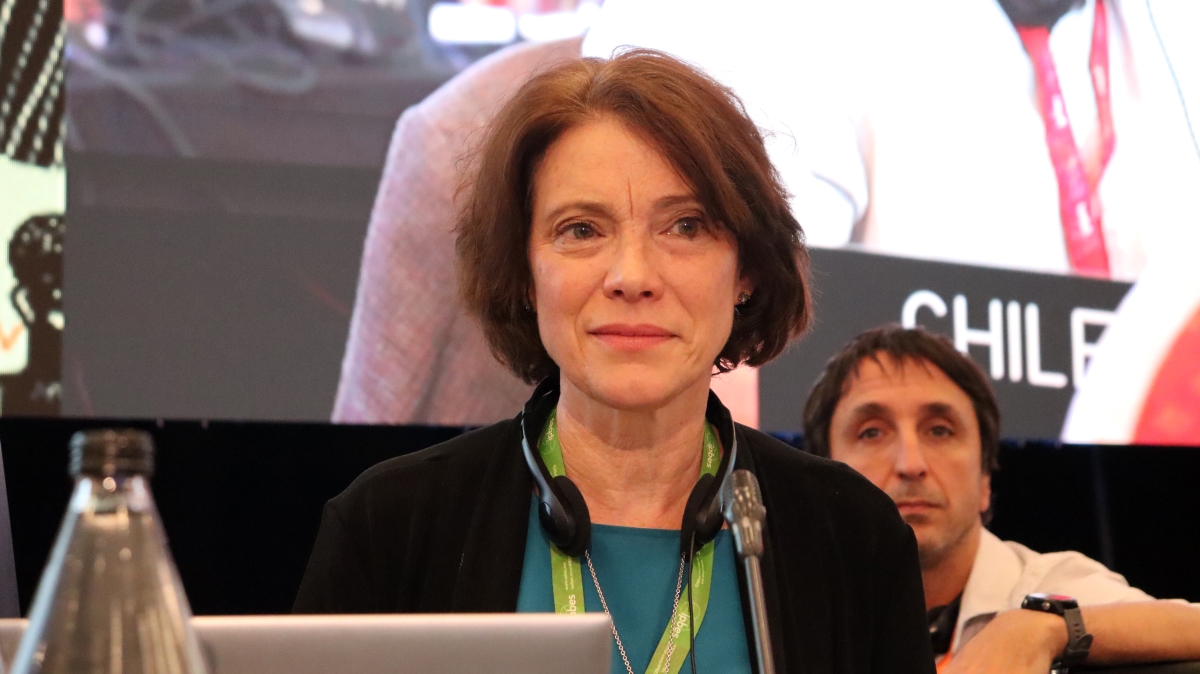
She is a professor at the Department of Sociology and Human Geography at the University of Oslo and an internationally recognized climate researcher, with extensive experience as an expert in the UN's climate and nature panels. As a co-editor of the Nature Panel's latest report, she has been particularly focused on ensuring the document is utilized and contributes to new knowledge, as well as involvement and engagement.
– Unfortunately, there are many obstacles to achieving transformative societal changes that benefit the green transition. What is needed now is for the measures to be anchored in holistic strategies and principles like justice and inclusion, so that both small and large changes make a real difference, says O’Brien.
Must have a much greater impact than before
– Now is our chance to accelerate the transition necessary for a fair and sustainable world. Our hope is that the report lays the foundation for new conversations and engagement worldwide. It is crucial that the initiatives we implement in the coming years have a far greater impact than those undertaken so far. The report provides valuable insights on how to achieve this, says O'Brien.
The researcher also emphasizes that the green transition requires far more focus on changing the economic and financial systems that have been the root causes of the problems, and on involving and engaging everyone in the transition efforts.
The report is based on the latest available research in the field and outlines possible solutions. It highlights five strategies that, according to Karen O'Brien, are all necessary and complement one another. These principles address how to work with strategies focused on justice, pluralism, inclusion, and respectful and reciprocal relationships with nature.
The foundation is built upon these five points:
- Preserve remaining biodiversity and restore areas valuable to both people and nature
- Implement measures that promote changes in sectors with the greatest impact on nature
- Make transformative changes in the economy that emphasize nature and equality, such as incorporating natural capital accounting
- Ensure involvement and transparency in decision-making processes
- Change societal values and perceptions regarding the relationship between humans and nature by embracing diverse values and questioning current social norms around consumption
The knowledge base has been reviewed and compiled to provide guidance for the global changes needed for a more just and sustainable future. In Norway, the Environment Agency (Miljødirektoratet) and the Research Council of Norway are closely following the progress.
The International Science-Policy Platform on Biodiversity and Ecosystem Services (IPBES) generates increased knowledge and contributes to preventing the loss of biodiversity and ecosystem services. The Nature Panel is a global scientific panel. Much like the UN's Intergovernmental Panel on Climate Change (IPCC), the Nature Panel (IPBES) aims to:
- Assess and summarize the current status of knowledge to ensure scientific credibility and political legitimacy.
- Promote the development of management tools that transfer knowledge to policymakers.
- Identify areas of expertise where new knowledge is needed.
- Build capacity in developing countries.